A brick fireplace feels warm, sturdy, and comforting. It’s the place families gather, especially during cold months, and it often becomes the heart of the home. However, recent house-fire reports across the country have pushed fireplace safety into the national conversation again. These headlines remind homeowners that even something that looks strong on the surface can hide risks inside. And for many homes, this reminder couldn’t come at a better time.
As cities across the country upgrade their building standards in new public projects, people are beginning to wonder if their own homes meet the same level of safety. With non-residential construction booming, builders are using stronger fire-rated materials, updated masonry techniques, and better insulation systems in schools, libraries, and community centers. These changes influence homeowners too, because they show how much fire-safety standards have improved over time.
The New Attention on Brick Fireplaces After House-Fire Reports
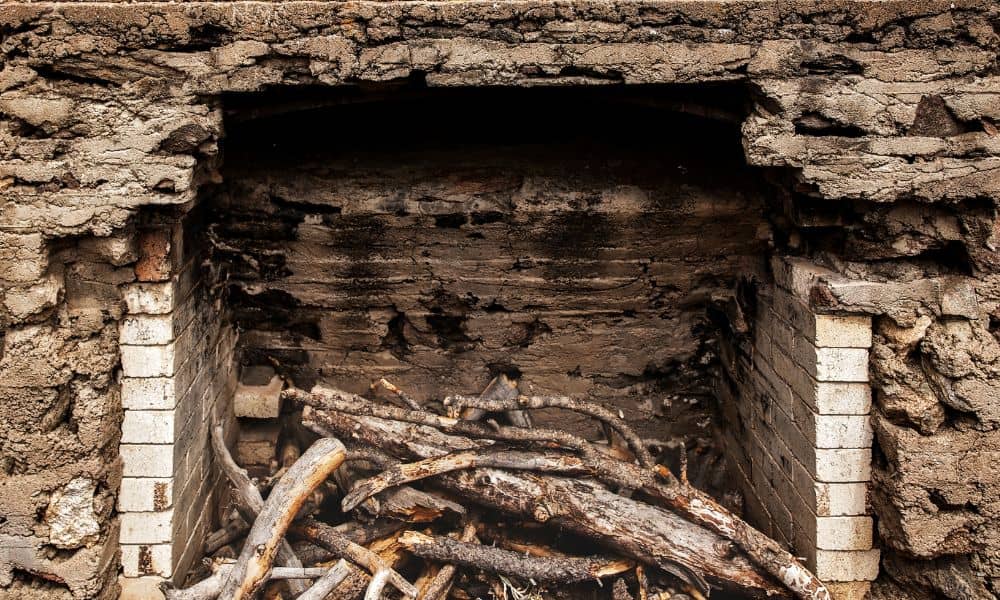
Many of the recent house-fire reports involve issues inside the fireplace—areas most homeowners never see. Investigators found weakened firebrick, cracked mortar inside the firebox, and places where heat escapes into the walls. None of this damage was obvious from the outside.
A fireplace can look solid while hiding the early stages of failure. Over the years, constant heating and cooling cause the firebox to expand and contract. The cycle repeats every time a fire burns, slowly weakening joints and creating tiny cracks. Those cracks grow deeper with time, and eventually they allow heat to reach places it shouldn’t.
When fire investigators mention “hidden deterioration,” they are often talking about the firebox. This is the core of your fireplace—the area that takes the most heat. If that area begins to break down, the risk of a house fire increases even if the chimney and exterior brick look fine.
How Modern Construction Trends Influence Homeowners
The rise in public construction gives homeowners a new point of comparison. Cities are requiring better fireproofing methods than ever before. New commercial and civic structures use upgraded firebrick, new insulation barriers, and advanced masonry designs meant to contain heat more effectively.
When people see how these new buildings are constructed, they naturally start to question the condition of older features in their homes. Fireplaces built 20–40 years ago often relied on materials that were safe for their time but not as durable as today’s options. This is one reason homeowners are now more open to inspections and upgrades.
The construction boom also affects availability. As skilled masons work on larger projects, homeowners who wait may face longer scheduling delays. That’s why many people are choosing to inspect or repair their fireplaces sooner rather than later.
The Hidden Fire Risks Inside an Older Brick Fireplace
Inside the firebox, small signs of damage can reveal bigger problems. Some of the issues found during investigations include:
- Firebrick that has thinned from years of heat
- Mortar joints that crumble when touched
- Shifting walls inside the firebox
- Gaps that let heat move into surrounding framing
- Poor airflow that forces smoke and heat back into the room
None of these problems start suddenly. They develop slowly, which is why they often go unnoticed. You may enjoy fires for years without realizing the structure behind the flames is wearing out.
A brick fireplace has to contain extreme heat, and the materials inside must stay strong. When these parts weaken, heat can pass through areas never meant to handle high temperatures. That’s why investigators pay so much attention to internal cracks. Even a small opening can change the way heat flows inside the fireplace.
Signs Your Brick Fireplace May Need Attention
Homeowners often notice small changes that seem harmless at first. However, these clues can reveal larger issues inside the firebox:
- More heat than usual coming from the sides of the fireplace
- Smoke appearing in the room before rising into the chimney
- Dark or crumbling bricks inside the firebox
- Mortar that flakes or falls out with light pressure
- A burning smell near the walls instead of only at the opening
If you notice any of these signs, it may be time for a closer look. Many people assume the fireplace is fine because it looks fine, but the real condition is inside the structure.
What Skilled Masons Can Do to Improve Fire Safety
Homeowners often worry that a damaged fireplace means a full rebuild, but that’s rarely the case. Skilled masons have techniques to strengthen the firebox without changing how the fireplace looks on the outside. When the work involves heat-bearing surfaces or older firebrick, many homeowners feel more comfortable bringing in trusted masonry professionals who deal with these issues every day and understand how the firebox should perform.
These experts may replace damaged firebrick, rebuild weakened walls inside the firebox, or reset mortar using fire-rated materials. They can also improve the shape of the smoke chamber and seal hidden gaps that let heat drift into areas it shouldn’t. After these updates, the fireplace handles heat more safely and usually works better, too—fires start easier, smoke clears faster, and the room warms more evenly.
Why Now Is the Right Time to Check Your Brick Fireplace
With national fire reports gaining attention and fire-safety standards rising in public construction, many homeowners are using this moment to reevaluate older fireplaces. A quick inspection can reveal issues long before they turn into real risks.
Just like public buildings go through regular safety checks, homes benefit from the same care. A fireplace is meant to last for generations, but only if the inner structure stays strong. After years of use, it makes sense to check on the parts you can’t see.
Caring for Your Fireplace Gives You Peace of Mind
A brick fireplace should bring comfort, not concern. When you know the firebox is solid, the mortar is secure, and the materials can handle high heat, you enjoy every fire with confidence. The recent fire reports are not meant to create fear—they are reminders that maintenance matters.
As fire-safety awareness grows and construction standards rise, homeowners have a chance to stay ahead. With a simple inspection or small upgrades, you can make sure your brick fireplace remains a safe, reliable part of your home for many years to come.