When homeowners think about stone masonry, they often focus on color, texture, and style. That makes sense—the stone looks strong and timeless. However, the real value of stone shows up years later, not on install day. Durability depends on choices you can’t always see. And nowhere do those choices matter more than at chimneys and fireplaces.
In North Alabama, chimneys take constant heat, rain, and temperature swings. Because of that, weak masonry decisions show up there first. Cracks, leaks, loose stone, and stains usually trace back to a few common construction choices. If you understand those choices, you can avoid repeat repairs and protect your home long term.
Why Chimneys Expose Masonry Problems First
Chimneys sit above the roofline, so they face the harshest conditions on the house. They heat up fast, cool down quickly, and absorb water from every storm. Over time, that stress finds weak spots in the masonry system.
Because of this, chimneys act like a stress test. If stone masonry holds up there, it usually holds up everywhere else. On the other hand, if corners were cut, chimneys reveal the damage early.
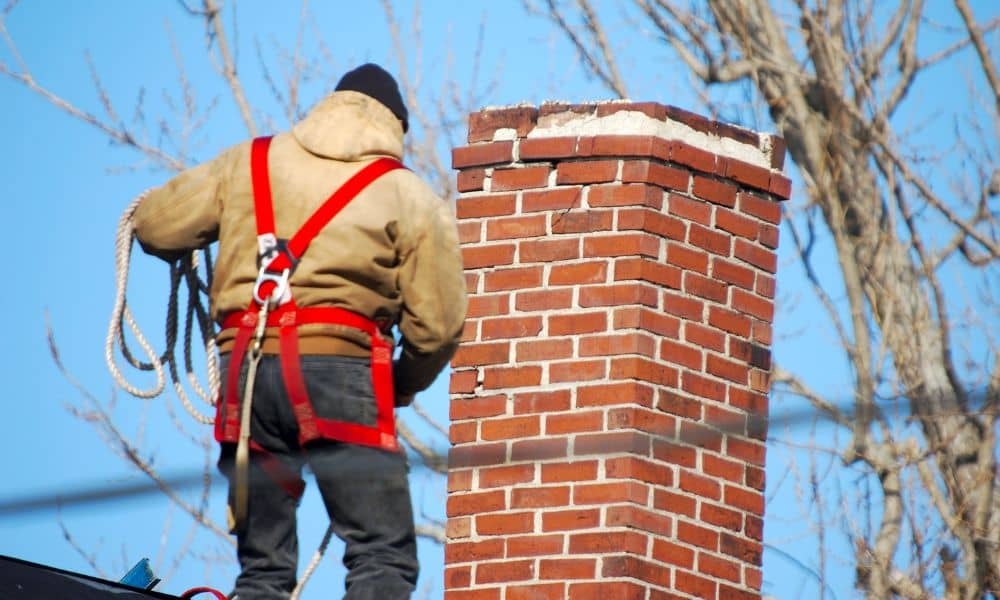
The Chimney Crown: Where Most Failures Begin
The chimney crown sits at the very top. Its job sounds simple—push water away from the chimney. Yet many crowns fail within a few years.
A common mistake involves thin mortar washes. These look smooth at first, but they crack quickly. Once cracks form, water slips in, freezes, and expands. Over time, the crown breaks apart and allows moisture into the chimney structure.
A durable crown needs a few things to work well. It must have enough thickness to resist cracking. It also needs a slight slope so water runs off instead of pooling. Most important, it should extend past the stone with a drip edge. That small overhang keeps water from running down the chimney face.
When homeowners spot small surface cracks, sealing and monitoring may help. However, deep cracks, flaking, or exposed stone signal a bigger issue. At that point, rebuilding the crown often makes more sense than patching it again.
Flashing Integration: Stone Alone Is Not Waterproof
Many homeowners feel confused when water stains appear near a fireplace. One contractor blames the roof. Another blames the masonry. In truth, flashing often causes the problem.
Flashing is the metal system that seals the joint between the roof and the chimney. Stone masonry must work with flashing, not hide it. When stone presses too tightly against flashing or covers it completely, water has nowhere to go.
Proper installation uses step flashing layered with roofing and counter-flashing that overlaps correctly. Stone should stop cleanly around this system. If flashing disappears behind stone, water often follows.
Over time, poor flashing integration leads to ceiling stains, damp fireboxes, and musty odors indoors. Fixing it later costs more than doing it right from the start.
Mortar Type and Joint Depth Matter More Than You Think
Stone gets most of the attention, yet mortar does most of the work. Mortar absorbs movement and protects stone edges. If it fails, the stone soon follows.
Using the wrong mortar type causes problems fast. Mortar that’s too hard cracks stone. Mortar that’s too soft erodes too quickly. Heat near chimneys speeds up this breakdown.
Joint depth matters just as much. Shallow joints look neat, but they don’t last. When joints lack depth, repointing later becomes difficult or impossible without removing stone.
Homeowners can spot early warning signs. Recessed joints, crumbling edges, and cracks that follow mortar lines all point to mortar failure. Addressing these signs early prevents larger structural damage.
Clearance Around Fireboxes and Flue Transitions
Fireplaces generate intense heat. Stone masonry near these areas must allow for movement and airflow. When stone sits too close to fireboxes or flue transitions, problems develop.
Poor clearance traps heat and moisture. Over time, stone expands, contracts, and cracks. In some cases, hidden damage forms behind the stone, only showing up years later.
Good masonry work accounts for heat exposure. It uses proper backing, spacing, and transitions so stone can move safely. While homeowners can’t always see these details, their effects show up in how long the masonry lasts.
A Simple 15-Minute Chimney Check at Home
You don’t need special tools to notice early problems. A short walk around your home can reveal a lot.
Outside, look for cracks in the crown. Check for a visible drip edge. Notice whether stone touches flashing lines. Also, watch for white stains on the stone, which suggest trapped moisture.
Inside, smell the area near the fireplace. Musty odors often signal water intrusion. Look for stains above the firebox. Gently press on hearth stones to see if anything feels loose.
These signs don’t always mean major repairs. Still, they do mean it’s time to ask questions.
If You See This, Do This
Small crown cracks often need sealing and monitoring. Interior stains call for a flashing review. Loose stone or crumbling mortar usually needs professional attention. If repairs keep repeating, the original masonry design likely caused the issue.
Knowing when to repair and when to rebuild saves money over time.
Questions to Ask Before Approving Chimney Work
Before hiring a mason, ask clear questions. For example, ask whether the crown is structural or just a surface repair. Ask how water leaves the crown and how the stone will meet the flashing. You should also ask what mortar type they plan to use and why.
These questions help you understand how the work will actually perform over time. Homeowners who take this approach usually end up working with local stone masonry experts, not because of the title, but because those are the people who can explain their decisions in plain language and stand behind the work years later.
Why These Choices Matter in Homes
Local homes face moisture, heat, and temperature swings throughout the year. Many also have older chimney designs that need updates. Because of this, shortcuts show up faster here than in milder climates.
When stone masonry choices focus on durability, chimneys last longer and need fewer repairs. That saves money and stress over the years.
Final Thoughts
Stone masonry should do more than look good. It should protect your home through every season. Chimneys reveal quality faster than any other feature. When crowns shed water, flashing works properly, mortar holds up, and clearances stay correct, stone performs as it should.
By understanding these key choices, homeowners can make smarter decisions and avoid repeating the same repairs. In the end, durability always matters more than looks.