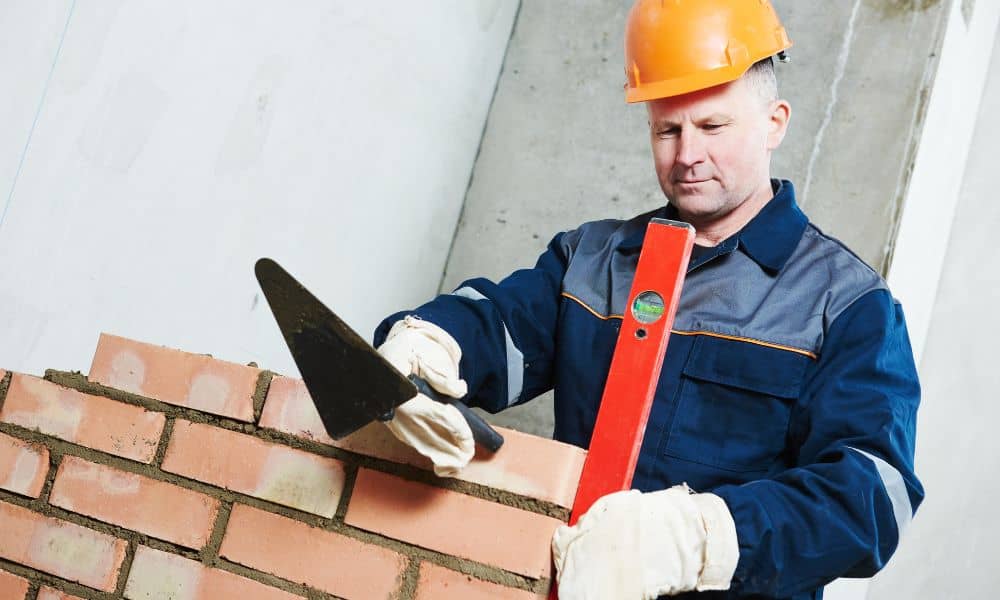
A recent construction accident in Madison County has raised serious concerns about jobsite safety across North Alabama. While the incident did not involve brick masonry directly, it happened on an active construction site where several trades worked near open trenches. That detail matters. Brick masonry work often takes place around excavation, grading, and foundation areas. Because of this, safety on shared jobsites affects masons, homeowners, and property owners more than many people realize.
A Local Incident That Made People Stop and Think
The accident shocked the community because it happened quickly and led to a loss of life. Emergency crews responded right away, and many people followed the news closely. Events like this remind us that construction sites can be dangerous, even when work seems routine.
Although brick masons were not involved, the same jobsite conditions appear on many projects. Open trenches, loose soil, heavy equipment, and tight schedules are common. Since brick masonry work often happens near these conditions, safety planning plays a major role in how well a project goes.
Where Brick Masonry Fits During Construction
Brick masonry does not happen on a clean or empty site. In most cases, masonry work begins after excavation and foundation work starts. At that point, trenches may still be open, and soil may still be settling. Access paths can change from day to day.
For example, brick walls may be built while foundation crews finish nearby work. On residential projects, brick mailboxes, fireplaces, or retaining walls often sit close to graded areas or utility lines. Because of this overlap, brick masons depend on safe conditions created by others on the site.
This makes safety a shared responsibility, not something one trade handles alone.
Why Excavation Hazards Affect Brick Masonry Work
Excavation hazards do not stay in one spot. Soil can shift. Rain can weaken trench walls. Heavy equipment can change ground conditions. All of these factors affect how safely brick masonry work can happen nearby.
Unstable ground creates risks when storing materials. Pallets of brick are heavy. If placed too close to open trenches, they can increase the risk of collapse. Safe walkways also matter. Brick masons move tools and materials throughout the day. Poor access increases the chance of slips or injuries.
Because of this, brick masonry safety depends on more than laying bricks correctly. It also depends on ground stability, spacing, and constant awareness of nearby hazards.
Safety Is About Planning and Communication
Many homeowners believe safety is handled by one contractor. In reality, safety on an active jobsite depends on coordination between all crews involved. This includes excavation teams, general contractors, and brick masonry professionals.
Problems often start with poor timing. If masonry work begins before trenches are secured or filled, risks rise. When crews do not share updates, others may not know when conditions change. Even small delays in communication can create unsafe situations.
Professional brick masonry contractors understand this. They look beyond their own work area. They ask questions. They check site conditions. And when something feels unsafe, they pause work instead of pushing forward.
What Experienced Brick Masonry Contractors Watch For
Skilled brick masonry contractors pay attention to the entire jobsite. Before starting work, they check that walkways are clear and stable. They look at how close excavation work is to where bricks and tools will be stored.
During the project, they stay alert. Rain matters. Soil changes matter. Equipment movement matters. If conditions change, they stop and reassess. This approach keeps workers safe and helps the project stay on track.
Rushed work on unsafe ground often leads to problems later. Walls may shift. Alignment issues may appear. Fixing these problems costs time and money.
How Poor Safety Planning Affects Homeowners
When safety planning fails, homeowners often feel the impact first. Projects slow down or stop completely. Repairs may be needed if ground movement affects masonry work. These issues add unexpected costs.
Liability also becomes a concern. Accidents can lead to insurance claims and legal stress. Even if homeowners did nothing wrong, poor site planning creates risk.
On the other hand, projects with strong safety planning move more smoothly. Clear communication reduces delays. Good coordination lowers the chance of rework. In the end, this saves homeowners time and money.
Questions Homeowners Should Ask Before Hiring
Homeowners do not need construction experience to protect their investment. Asking a few simple questions can make a big difference.
Before hiring brick masonry services, homeowners should ask who manages jobsite safety during masonry work. They should ask how excavation risks are handled before work begins. They should also ask what happens if unsafe conditions appear later.
Contractors who value safety will answer clearly. They will explain how they coordinate with other crews and how they handle changes on site.
Why This Matters for Small Projects Too
Some people think safety planning only matters on large construction sites. That is not true. Small projects still carry risk.
Outdoor fireplaces may sit near graded soil. Retaining walls rely on stable ground. Brick mailboxes are often placed near utility trenches. Even patios need proper site preparation.
Brick masonry safety matters on every project, no matter the size.
What This Incident Teaches Homeowners
The recent Madison County accident serves as a reminder. Construction safety connects all trades on a site. Brick masonry work depends on conditions created earlier in the project.
Homeowners benefit when they choose contractors who care about safety and coordination. These contractors focus on doing the job right, not rushing through it.
Final Thoughts
Brick masonry projects succeed when safety comes first. The recent construction accident highlights how shared jobsite conditions affect everyone involved. Brick masons may not dig trenches, but they work near them. That makes planning and communication essential.
When homeowners understand this connection, they make better choices. They protect their property, the workers on site, and the long-term quality of their project.