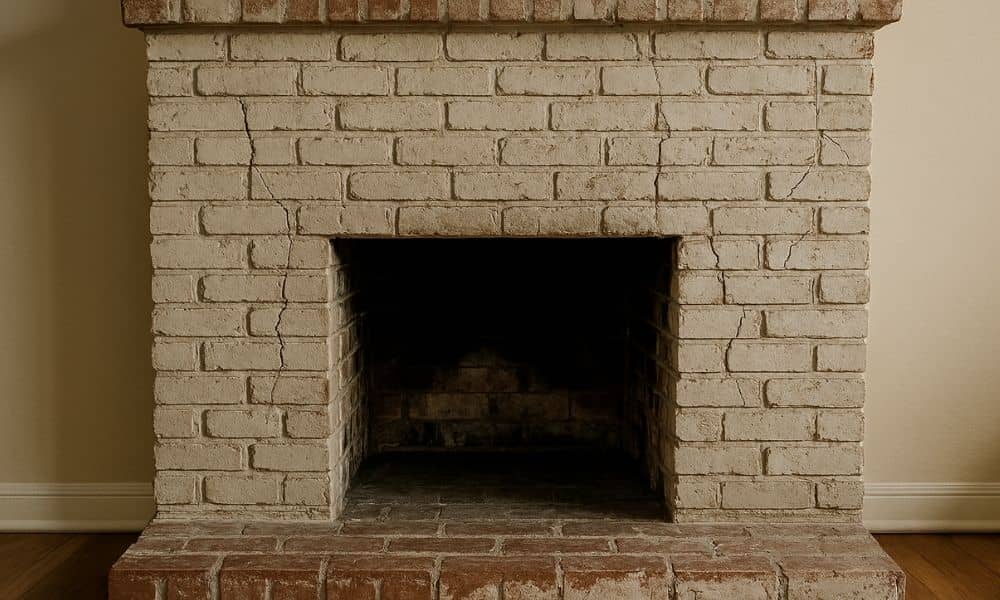
Painting a brick fireplace feels like a simple upgrade. It brightens the room and gives an older home a fresh look. However, many homeowners learn later that fireplace repair becomes more likely after painting brick—especially when the work skips key masonry steps. The paint itself is not the problem. The real issues come from how paint changes the way brick and mortar behave around heat. Because fireplaces expand and contract with use, small mistakes before or after painting can turn into bigger repair needs.
Why Painting Brick Changes How a Fireplace Acts
Brick and mortar need to breathe. They release tiny amounts of moisture and respond to temperature changes every time you use the fireplace. When paint goes on, it seals the surface. As a result, heat stress and trapped vapor have fewer ways to escape.
In Huntsville, this matters even more. Our swings from humid days to cool nights put extra stress on masonry. Therefore, a painted fireplace that once handled normal use can begin to show cracks, loose joints, or paint failure if the masonry below wasn’t ready.
Mistake #1: Painting Over Aging Mortar
Many fireplaces look solid at first glance. The bricks feel firm, and the joints seem fine. However, mortar often weakens long before it falls apart. When paint covers those joints, it hides early warning signs.
Once you start using the fireplace again, heat causes the bricks to expand. Meanwhile, weak mortar cannot flex the way it should. Because the surface is sealed, stress builds at the joints. Over time, cracks push through the paint, or mortar begins to crumble behind it.
How to fix it: Before painting—or after cracks appear—a mason should check the mortar joints. If the mortar shows wear, repointing restores strength before paint goes back on. This step keeps small issues from becoming full fireplace repair jobs later.
Mistake #2: Using the Wrong Paint for Brick Fireplaces
Not all paint works well on brick. Standard latex or acrylic paint often seals too tightly. While that may work on drywall, it causes problems on masonry that faces heat.
When a fireplace warms up, moisture trapped inside the brick tries to escape. Because the paint blocks that movement, pressure builds at the mortar lines. As a result, homeowners see bubbling paint, peeling edges, or cracks that follow the joints.
How to fix it: A mason or experienced contractor can recommend breathable coatings designed for masonry. These allow vapor to move while still protecting the surface. If damage already exists, the mortar must be repaired before repainting. Otherwise, the same problems return.
Mistake #3: Using the Fireplace Too Soon After Painting
Paint needs time to cure. Mortar repairs also need time to set. When homeowners light a fire too soon, heat hits surfaces that aren’t ready.
This mistake often leads to early cracking, especially around the firebox opening and hearth edges. Although the damage may look minor at first, it often spreads with continued use.
How to fix it: Always follow cure times for both mortar and paint. In many cases, waiting a few extra weeks prevents months of future repair. A professional can tell you when it’s safe to use the fireplace again.
Early Warning Signs You Should Not Ignore
Painted brick hides problems, but it also shows clues if you know where to look. Watch for:
- Thin cracks showing through paint at mortar lines
- Paint pulling away only where joints meet
- Fine mortar dust collecting near the hearth
- Bricks that sound hollow when tapped gently
These signs point to joint failure, not surface flaws. Acting early keeps repairs small and affordable.
What Homeowners Can Check—and When to Call a Pro
Homeowners can spot surface changes. You can look for cracking patterns, loose paint near joints, or changes after using the fireplace. However, deeper issues need professional evaluation.
Call a mason when:
- Mortar breaks apart behind the paint
- Bricks feel loose near heat-exposed areas
- Cracks return quickly after repainting
At that point, cosmetic fixes no longer work. Structural fireplace repair becomes the safest option.
How Professionals Repair Painted Brick Fireplaces
Proper repair starts below the paint. First, the mason checks the mortar type and condition. Next, they remove only the failed joints, keeping the brick intact. Then, they repoint with a mortar mix that handles heat and movement.
This step matters. The wrong mix can cause new cracks. After the mortar cures, the surface gets prepared for repainting. When done correctly, the fireplace regains strength and keeps its updated look.
Timing Fireplace Repair
Weather plays a role in successful repairs. High humidity slows curing, while cold temperatures limit paint options. For this reason, spring and fall work best for painted brick fireplace repairs.
Planning ahead helps. Repairs done before peak fireplace season allow proper curing and prevent rushed work. As a result, homeowners avoid repeat problems when winter arrives.
Final Thoughts:
Painting bricks does not ruin fireplaces. Skipping masonry evaluation does. When homeowners understand how paint, mortar, and heat interact, they make better choices and avoid surprise repairs.
If your painted brick fireplace shows early signs of trouble, don’t wait. A professional assessment now can stop small issues from growing. In the end, smart fireplace repair keeps your home safe, comfortable, and looking the way you intended.