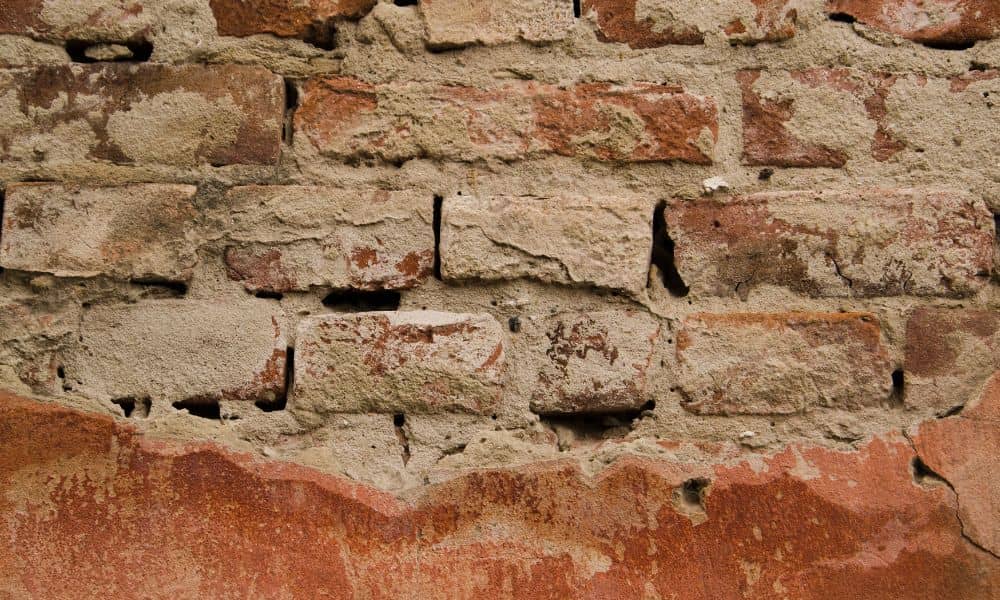
Recent construction accidents in Huntsville have pushed safety into the spotlight. While the news focused on large job sites, the lesson applies much closer to home. Brick repair plays a bigger role in safety than most people realize. Many homeowners think of brick as a surface—something you paint, clean, or patch to look nice. In reality, brick is part of how a structure stands, carries weight, and protects people around it. When repairs fall short, risk increases.
A local tragedy changed the safety conversation
After a deadly trench collapse, contractors and inspectors began talking more openly about hidden risks. The incident did not involve a brick wall. Still, it revealed a pattern we see again and again. Problems grow when support systems get ignored or underestimated. What looks stable on the outside can fail quickly when the structure underneath weakens.
That same thinking applies to brick around homes and small buildings. Brick hides movement, stress, and failure until it doesn’t. When it gives way, it can fall, lean, or detach with little warning.
Why “hidden risk” matters with brick
Brick feels solid, so it creates a false sense of security. Because of that, people delay repairs or accept quick patches. However, brick does not bend like wood. It cracks, shifts, or separates once stress builds. When that happens, pieces can drop or push outward.
Hidden risk grows in places people walk past every day. Fireplaces, columns, entry walls, and mailboxes all include masonry. These elements stand above ground and near people. If a repair masks a deeper issue, the danger increases over time.
Brick repair is part of a building’s safety system
Think of brick repair as maintenance for safety, not style. Brick supports weight, resists fire, and shields a structure from impact. When it weakens, the building loses protection.
This matters most in features that carry load or stand alone. Fireplaces support heavy masonry stacks. Retaining walls hold back soil. Columns and entry walls anchor roofs and porches. Mailboxes and freestanding walls sit near sidewalks and driveways. When repairs fail in these spots, the risk reaches people, not just property.
Why cosmetic fixes can make things worse
Many repairs focus on looks. Fresh mortar, paint, or surface patches can hide problems for a while. Yet these fixes often trap stress inside the wall. Instead of solving the cause, they delay it.
As a result, the next failure becomes larger. A patched area may look fine until a storm, freeze, or shift causes bricks to loosen. When that happens, pieces can fall without warning. Cosmetic fixes feel cheaper at first. Over time, they raise the chance of sudden failure.
Safety standards tighten after major accidents
After serious construction accidents, inspectors and insurers take a closer look. Standards do not change overnight, but scrutiny increases. Property owners face more questions about maintenance and responsibility.
For masonry, this means repairs must meet structural expectations. Inspectors want to know whether a wall can support itself. Insurers look at whether damage existed before an incident. If a brick feature fails and causes injury, the owner may face tough questions about upkeep.
Brick repair, liability, and responsibility
Neglected masonry creates real liability. Falling bricks can injure guests, delivery drivers, or neighbors. Leaning structures can collapse into walkways or vehicles. Detached pieces from fireplaces or walls can damage roofs and siding.
In many cases, insurance companies examine maintenance records. If they see long-term neglect or poor repairs, claims can become difficult. Even worse, injuries linked to visible masonry issues can expose owners to legal trouble.
That is why brick repair should never wait once safety enters the picture. Addressing problems early protects more than appearance. It protects people and limits risk.
Why professional brick repair reduces risk
Experienced masons do more than replace bricks. They understand how masonry behaves under load. They know how weight transfers through a wall or column. Because of that, they repair with stability in mind.
A professional approach focuses on long-term performance. Instead of hiding damage, it restores strength. This reduces the chance of sudden failure and keeps masonry safe in areas people use every day.
What property owners should take away
Recent construction accidents remind us that safety starts with structure. Brick repair belongs in that conversation. While cracks and stains may catch the eye, the real concern lies beneath the surface.
Treat brick repair as prevention, not decoration. Address issues before they grow. Choose repairs that restore strength, not just looks. When in doubt, get an experienced evaluation. Doing so protects your home, your investment, and the people who live in or visit your property.
Brick stands for durability, but only when it gets proper care. In today’s safety-focused climate, that care matters more than ever.