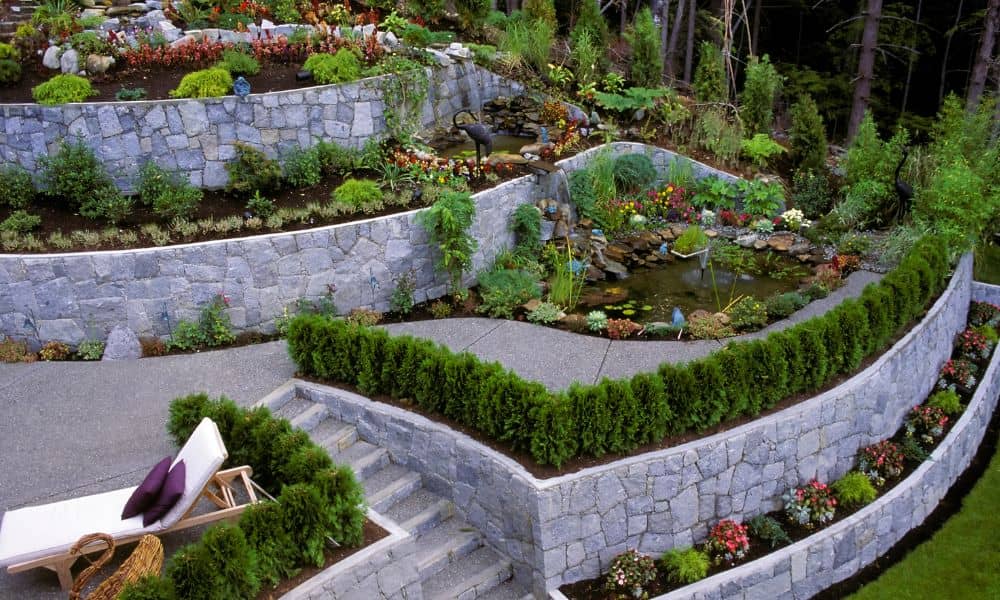
A retaining wall can solve real problems in a yard. It can level a slope, protect landscaping, and make outdoor space more usable. However, many walls fail not because of bad materials, but because of poor planning before construction ever begins. In a city known for clay soil and sudden heavy rain, smart decisions at the start matter more than anything else.
Why Most Retaining Walls Are Weak From the Start
Many retaining walls look strong on day one. Still, years later, they lean, shift, or lose their shape. The reason often comes down to one thing: they were designed only for how the yard looked at the time.
Homeowners often plan walls around appearance. They want clean lines and quick results. Unfortunately, a wall that looks good today may struggle tomorrow if it doesn’t match how the land will be used long term. That gap between short-term looks and long-term purpose causes most failures.
When you plan a retaining wall, you must think beyond the build date. You need to imagine how the yard will change, how the space will be used, and how much pressure the wall will eventually hold.
What Is Your Retaining Wall Really Meant to Do?
Before choosing stone or block, you need to answer one key question: what job will this wall perform?
Some walls simply shape landscaping. Others hold back a steep slope. Some create level ground for patios or walkways. These roles may sound similar, but they demand very different designs.
Problems arise when a decorative wall ends up carrying real weight later. For example, a homeowner may build a short wall for looks, then add a patio or heavy landscaping above it years later. The wall was never meant to support that load, yet now it must.
When the wall’s purpose changes, stress builds quietly. Planning for the wall’s true role from the beginning prevents that risk.
Thinking About What Will Sit Above the Wall
One of the most common planning mistakes involves what goes above the retaining wall. Many homeowners focus only on the wall itself. However, the land above it matters just as much.
Over time, yards change. People add sheds, outdoor kitchens, seating areas, or parking spaces. Even thick landscaping adds weight. Each change increases pressure on the wall.
A retaining wall designed only for soil may struggle once extra features appear. That’s why smart planning accounts for future upgrades, not just current plans. Even if you don’t plan to add anything now, it’s wise to allow for that possibility.
Height Decisions That Change Everything
Wall height may seem like a simple choice. In reality, it shapes the entire design.
Many homeowners estimate height before grading. Later, once the ground levels out, the wall ends up taller than planned. That small difference can change how the wall performs over time.
Taller walls carry more responsibility. They must handle more pressure and stay stable longer. Planning for finished ground height instead of rough measurements keeps expectations realistic and designs accurate.
When height decisions happen early and correctly, the wall has a far better chance of holding up for decades.
Placement Choices You Can’t Undo Easily
Where you place a retaining wall affects how the yard functions for years. Moving a wall after it’s built often costs more than rebuilding it.
Walls placed too close to slopes, property lines, or future walkways limit how the yard can evolve. They may also restrict drainage paths or access points later on.
Good placement supports flexibility. It leaves room for landscaping changes, foot traffic, and outdoor features without forcing risky adjustments later. A few feet of difference today can save major headaches in the future.
One Tall Wall or Several Short Ones?
Some yards need one tall retaining wall. Others benefit more from tiered walls that step down the slope. This decision should happen during planning, not after excavation begins.
Tiered walls often spread pressure more evenly and blend better with the landscape. They can also create usable garden space between levels. On the other hand, a single wall may suit tighter spaces.
The key lies in choosing what fits the land, not just what looks simpler. Once construction starts, changing this choice becomes difficult and costly.
Budget Planning That Supports Strength, Not Shortcuts
Budget matters, but how you plan it matters more. Many retaining wall problems begin when budgets drive design instead of the other way around.
Homeowners sometimes cut early planning steps to save money. They choose simpler designs that don’t match the site. Over time, those savings disappear through repairs or rebuilds.
A realistic budget focuses on building a wall that fits the yard’s needs. Spending wisely upfront often reduces long-term costs and stress.
Understanding the Limits of DIY and Prefab Systems
DIY and prefab retaining wall systems attract homeowners because they promise speed and simplicity. In some settings, they work well. However, they have limits.
These systems often assume ideal conditions. They don’t adapt easily to complex slopes or future changes. When homeowners push them beyond their intended use, problems follow.
Knowing when a system fits your yard—and when it doesn’t—helps you avoid disappointment later.
Questions to Answer Before Building
Before breaking ground, every homeowner should pause and ask:
- What will this wall support long term?
- How might this yard change in five or ten years?
- Is the wall decorative or structural?
- Does the layout allow future flexibility?
Clear answers lead to stronger outcomes. Vague assumptions invite trouble.
Why Professional Planning Makes the Difference
Experienced masonry professionals design retaining walls by thinking backward. They start with future use, land shape, and pressure needs. Then they plan the structure around those facts.
Local experience matters, especially in Huntsville. When you’ve seen how yards evolve over time—new patios, added landscaping, changing drainage—it becomes clear why homeowners often lean on local retaining wall experts to help them think through those changes before anything gets built.
Final Thoughts
A retaining wall should never be an afterthought. It should be a planned solution that matches how your property works today and tomorrow. By focusing on purpose, placement, height, and future use, you give your wall the best chance to stand strong through clay soil and heavy rain.
Building smart starts long before construction begins. When you plan first and build second, your retaining wall becomes a lasting asset instead of a costly lesson.