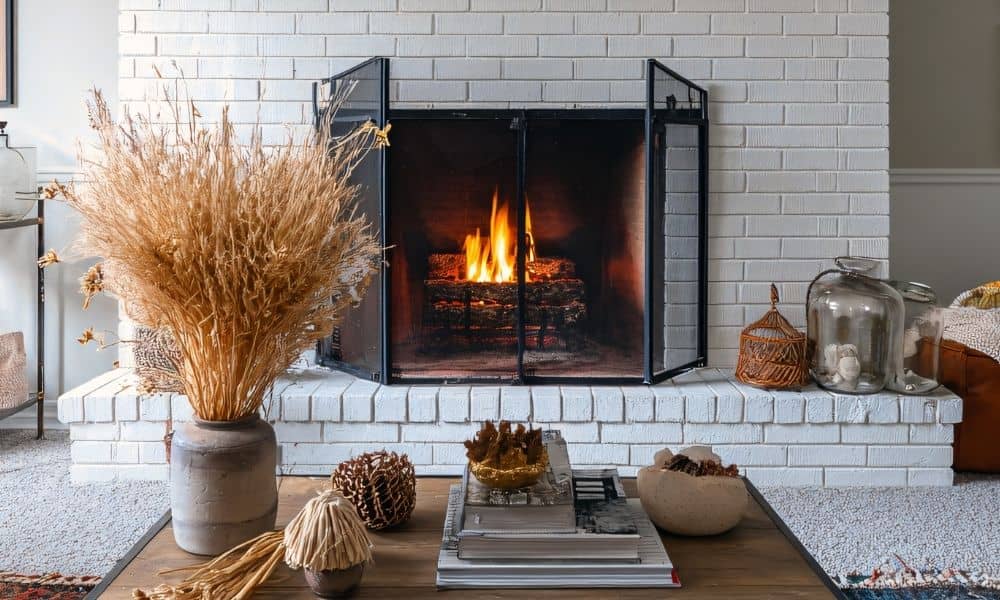
For years, most homeowners have viewed the brick hearth as one of the safest parts of a fireplace. It looks solid. It feels permanent. And because it’s made of brick, many people assume it will never fail.
Recently, that assumption has started to change.
After several widely shared fireplace accidents made the news, safety discussions have shifted. Instead of focusing only on flames, smoke, or chimneys, attention has turned to something much closer to the living room floor: the brick hearth itself. Investigators and inspectors are now asking a simple but important question—is the hearth truly stable and secure?
This new scrutiny matters to everyday homeowners, especially those living in homes with older fireplaces or remodeled interiors.
Why Brick Hearths Are Being Questioned Now
When a fireplace-related accident happens, investigators look at everything nearby. In several recent cases, the problem was not the fire itself. Instead, it involved masonry components that shifted, separated, or failed under stress.
That shift in focus has changed how professionals view brick hearth safety. A hearth does more than protect the floor from sparks. It also supports heavy components like fireplace doors, inserts, and screens. If it is not properly built or anchored, it can become a safety risk.
As a result, brick hearths are no longer being treated as “just decorative.” They are now part of a larger safety conversation.
Solid Brick Does Not Always Mean a Safe Hearth
Here’s where many homeowners get surprised.
A brick hearth can look perfectly fine and still have hidden problems. Brick is strong, but the safety of a hearth depends on what lies beneath and how it connects to the fireplace.
In many homes, hearths were built decades ago using standards that no longer apply. Others were modified during remodels. Some were installed over finished flooring instead of a solid base. Over time, those choices can affect stability.
Because the hearth sits low and rarely moves, small shifts often go unnoticed. However, when weight or heat stress increases, those weaknesses can show themselves quickly.
How Fireplace Changes Can Create New Risks
Fireplaces rarely stay the same forever. Over the years, homeowners update them to improve comfort or style. Unfortunately, some common upgrades can quietly compromise brick hearth safety.
For example, adding a heavy fireplace insert changes how weight is distributed. Installing glass doors adds outward pressure on the brick surface. Even decorative stone veneers can increase the load on an older hearth.
Flooring renovations can also cause problems. When new floors are raised or trimmed around the hearth, support edges may be altered. While the change looks clean, it may reduce stability.
Individually, these updates seem harmless. Together, they can place stress on a hearth that was never designed to handle it.
Why Inspectors and Insurers Are Paying Attention
Because of recent accidents, inspectors now look more closely at masonry features inside the home. A brick hearth that moves, tilts, or separates from the fireplace base often raises concerns.
Insurance companies care about this too. If a hearth fails during an incident, it can increase damage and liability. That makes stability a key factor during inspections, claims, and even policy renewals.
Buyers also notice. During home sales, inspectors flag hearth issues more often than before. What once passed as cosmetic can now delay a closing or trigger repair requests.
In short, brick hearth safety has moved from the background to the spotlight.
Signs a Brick Hearth May Not Be Stable
Unlike cracks or surface wear, structural issues show up in subtle ways. Many homeowners notice something feels “off” long before visible damage appears.
Pay attention if your brick hearth rocks slightly when stepped on. Uneven height across the surface is another warning sign. Separation between the hearth and the fireplace base also deserves attention.
You may also notice gaps forming around mounted doors or screens. In some cases, accessories begin pulling away from the brick instead of sitting flush.
These signs do not always mean failure is imminent. Still, they do indicate that the hearth may not be as secure as it should be.
Why These Problems Often Go Unnoticed
Brick hearth issues hide easily.
Most people do not test a hearth’s stability. Rugs, screens, and furniture cover problem areas. Since fireplaces are used seasonally, stress builds slowly and quietly.
Because nothing looks broken, homeowners assume everything is fine. Then one day, movement becomes noticeable—or worse, an accident brings the issue to light.
That is why recent incidents have surprised so many people. The warning signs were there, but they were easy to miss.
Why Professional Evaluation Makes a Difference
When it comes to a brick hearth, surface repairs are not enough. Stability depends on how the hearth is built, supported, and connected to surrounding masonry.
A professional brick mason looks beyond appearances. They check for proper attachment, load support, and movement under pressure. They understand how past modifications affect current safety.
Most importantly, they can tell the difference between cosmetic wear and structural risk. That distinction helps homeowners avoid unnecessary repairs while addressing real concerns early.
Fixing a small stability issue now is far easier than dealing with damage after a failure.
Why This Matters for Madison, Alabama Homes
Many homes in Madison feature fireplaces built years ago, often before modern safety expectations. Over time, those homes have been updated, renovated, and personalized.
Each change adds a layer of complexity. While the fireplace may still look beautiful, the brick hearth underneath may not reflect those updates.
Because local inspections are becoming more detailed, hearth stability now matters more than ever. Addressing concerns early helps protect both safety and home value.
A Shift Toward Prevention, Not Panic
The renewed focus on brick hearth safety does not mean homeowners should worry. Instead, it highlights the value of awareness.
Most hearth issues are manageable. Many can be corrected with targeted masonry work. The key is recognizing that brick hearths are functional structures, not just decorative features.
Recent fireplace accidents have reminded professionals and homeowners alike that safety often depends on the details we overlook.
If your brick hearth has been altered, updated, or added to over the years, taking a closer look now can prevent problems later. A stable hearth protects your fireplace, your home, and the people who gather around it.
And sometimes, that peace of mind is the most valuable upgrade of all.