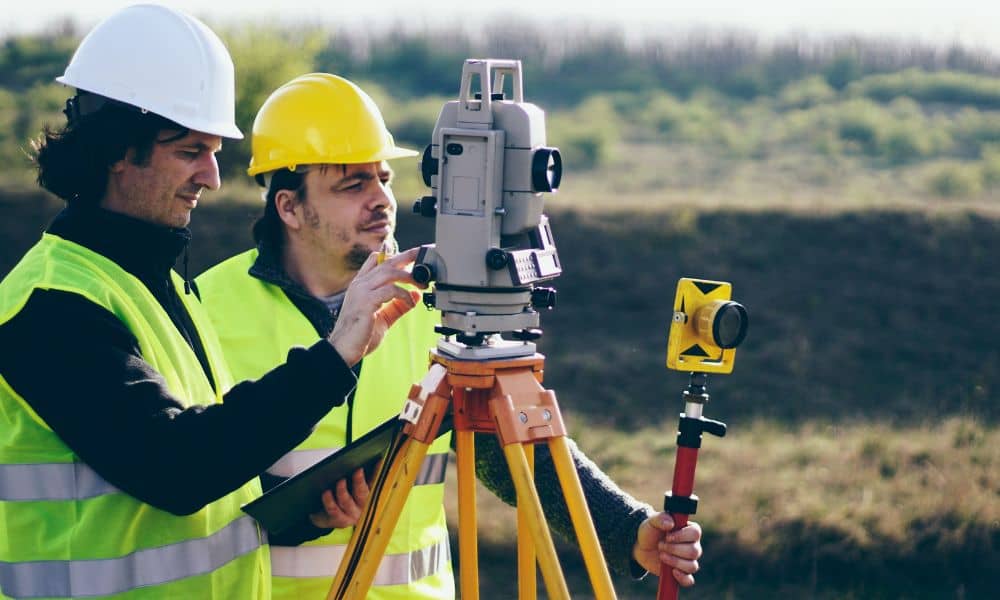
When most people think about licensed land surveyors, they picture someone walking a property with a tripod and measuring tape. It looks simple. It looks quick. Because of that, many homeowners, buyers, and developers expect surveys to be easy, fast, and low-cost.
However, surveyors themselves often say the job is nothing like that. In fact, recent online discussions show real frustration inside the profession. That frustration matters to clients because it explains why surveys take time, why prices vary, and why accuracy matters more than speed.
What People Expect When They Hire a Surveyor
Most clients come in with clear assumptions. They believe a surveyor will:
- Measure the property
- Mark the corners
- Deliver a clean map
- Finish quickly
That expectation makes sense. After all, online maps, county parcel data, and real estate listings make boundaries look simple. Because technology feels advanced, people assume the work behind it must be easy too.
However, those tools only show estimates. They do not show legal boundaries. As a result, clients often feel surprised when a survey takes weeks or costs more than expected.
What Licensed Land Surveyors Actually Do
The real work starts long before anyone steps on your land.
Licensed land surveyors spend a large part of their time researching records. They review old deeds, plats, easements, and right-of-way documents. Sometimes those records go back decades. Often, they conflict with each other.
Next, surveyors must decide which documents hold legal weight. That decision carries responsibility. If they choose wrong, the error could affect property rights, construction permits, or future sales.
Only after that research do surveyors begin fieldwork. Even then, the job involves more than measuring. They must locate existing markers, judge their validity, and resolve missing or damaged monuments.
Because survey results carry legal authority, surveyors cannot guess. They must prove every line they draw.
Why Surveyors Feel Frustrated About the Job
Many licensed land surveyors share frustrations online, especially about how the public views their work.
They explain that licensure adds responsibility, not freedom. Once licensed, they become legally accountable for every document they sign. That means careful review, slower timelines, and zero shortcuts.
At the same time, clients often push for faster results. Some compare prices without understanding differences in scope. Others expect surveyors to rely on GIS data or aerial images alone.
This pressure creates tension. Surveyors want to protect clients. Clients want speed and savings. Both sides feel misunderstood.
How This Affects Clients Directly
Surveyor frustration does not stay internal. It affects real projects.
For example, rushed surveys increase risk. A missed easement can delay construction. An incorrect boundary can stop a loan closing. A misplaced line can trigger disputes with neighbors.
Licensed land surveyors slow down the process to avoid those outcomes. While that may feel inconvenient upfront, it protects clients long term.
In other words, the work feels harder than expected because the stakes are high.
Why Technology Has Not Made Surveying Easier
Many people believe drones, LiDAR, and satellite maps replaced traditional surveying. That belief causes confusion.
These tools help collect data faster. However, they do not decide legal boundaries. Only licensed land surveyors can interpret records and apply boundary law.
Technology gives better visuals. It does not remove judgment. In fact, more data often creates more complexity. Surveyors must verify accuracy, align datasets, and confirm legal intent.
As development increases and properties change hands more often, surveys grow more complex, not simpler.
Why Online Maps Often Create False Confidence
Online property maps feel official. They look precise. However, they serve general reference, not legal proof.
Parcel lines on public maps often shift. They may overlap neighboring lots. They may ignore easements. They may fail to reflect recorded changes.
Licensed land surveyors regularly correct these issues. Clients usually only notice when a conflict arises. By then, expectations already clash with reality.
Understanding this gap helps clients approach surveys with better clarity.
What Clients Can Do to Avoid Friction
Better outcomes start with better expectations.
Before hiring a surveyor, clients should ask:
- What records will you review?
- What issues could delay the survey?
- What is the intended use of this survey?
- How does complexity affect timeline and cost?
Clear answers help both sides. Surveyors can plan properly. Clients can avoid surprises.
Most importantly, clients should remember that surveyors protect their interests, not just mark land.
Why the Job Being Hard Works in Your Favor
Licensed land surveyors do not complain because they dislike the work. They speak up because they understand the risk.
Every careful step protects property rights. Every extra hour prevents future problems. Every reviewed record strengthens legal certainty.
While the job may not look like people expect, that difference benefits clients most of all.
When surveyors say the work is harder than it looks, they mean it matters more than it seems.
Final Thought
Hiring licensed land surveyors means trusting professionals who carry legal responsibility for your property. Their frustration reflects accountability, not inefficiency.
Once clients understand what goes into a survey, timelines make sense. Costs feel justified. Results feel reliable.
In the end, the job not matching expectations is exactly why it works.