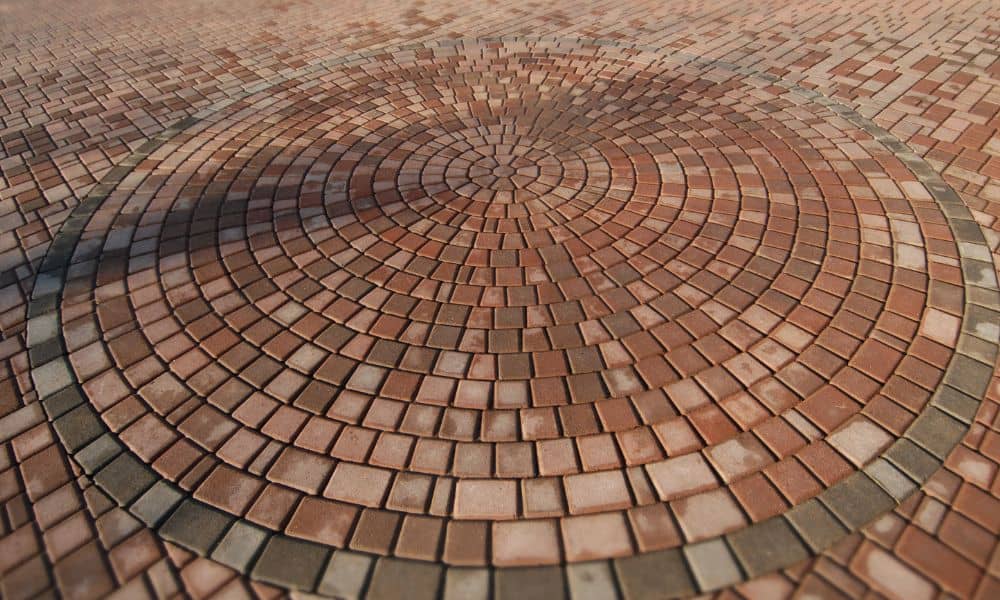
If you’ve driven through Madison recently, you’ve probably noticed something different. Sidewalks look cleaner. Public spaces feel more finished. Streets don’t just move traffic anymore—they frame neighborhoods. These changes are not random. They come from new streetscape projects designed to improve how Madison looks, feels, and functions. As a result, many homeowners are starting to rethink their own outdoor spaces. One material keeps coming up in those conversations: brick pavers. While brick pavers have always been popular, city projects are pushing them back into the spotlight. And this time, the interest feels more intentional.
So why does public construction affect private homes so quickly? And why are brick pavers at the center of that shift?
Streetscape Projects Change Expectations
When a city upgrades sidewalks, crossings, or public walkways, it does more than improve safety. It sets a visual standard. People see finished edges, clean lines, and surfaces that look permanent instead of temporary. Over time, that new standard becomes the “normal” look of the area.
Because of that, homeowners begin to compare their own driveways, walkways, and patios to what they see along the street. Even if their space still works fine, it can start to feel dated. This doesn’t happen overnight. Instead, it builds slowly as people pass the same areas each day.
Brick pavers stand out in these projects because they look intentional. They don’t feel like a quick fix. Instead, they signal long-term investment. As a result, homeowners begin to see brick pavers as a safe choice that fits the direction Madison is heading.
Public Design Influences Private Decisions
People trust what cities choose for public use. If a material works for sidewalks that see constant foot traffic, it must be reliable. That logic plays a big role in why brick pavers gain attention after streetscape work.
In addition, brick pavers feel familiar. Many homes already use brick in walls, porches, or accents. So when residents see brick underfoot in public areas, it feels like a natural extension of what they already know.
Because of this, homeowners don’t view brick pavers as a risky upgrade. Instead, they see them as a proven option that blends with both older neighborhoods and newer developments.
The Curb Appeal Effect
Curb appeal doesn’t exist in isolation. It depends on context. When streets improve, the bar rises for nearby homes. A concrete path that once looked fine can suddenly feel plain next to upgraded sidewalks. Meanwhile, a home with brick pavers often looks more in sync with its surroundings.
This doesn’t mean homeowners feel pressure to copy the city. Rather, they want their property to feel like it belongs. Brick pavers help bridge that gap. They connect private spaces to public improvements without looking overdone.
As a result, many homeowners start small. They update a front walkway. Then, they add a short path from the driveway to the door. Over time, these changes add up. And they all start with noticing what the city has already done.
Where Homeowners Are Upgrading First
Most homeowners don’t begin with major backyard projects. Instead, they focus on areas that people see right away. Front walkways top the list. These paths shape first impressions for guests, neighbors, and future buyers.
Next come driveway borders and entry transitions. Brick pavers help define these spaces and make them feel finished. They also soften hard edges without changing the entire driveway.
After that, many homeowners turn to backyard gathering areas. Once again, the influence of public design matters. When people see brick used in walkable city spaces, they start to picture it in places where family and friends gather.
Timing Plays a Big Role
Interest in brick pavers often spikes after streetscape projects wrap up. During construction, people notice the work. Once it finishes, they see the results. That’s when ideas turn into plans.
Because of this, local contractors often see a wave of calls in the months that follow. Homeowners want to act while the improvements still feel fresh. They also want to avoid waiting until schedules fill up.
In addition, material availability can tighten when demand rises. Homeowners who plan early often have more options. Those who wait may face longer timelines. For many people, that reality alone pushes them to move sooner rather than later.
A Material That Fits Madison’s Character
Madison has a mix of established neighborhoods and newer growth. Brick pavers work well in both settings. They don’t clash with traditional homes, and they don’t look out of place in modern designs.
This flexibility matters. Homeowners don’t want upgrades that feel trendy for a few years and then fade. Brick pavers offer a look that stays relevant. They age gracefully and feel consistent with long-term growth.
Because of that, many homeowners see brick pavers as a safer investment than flashier options. They want something that will still look right as the city continues to evolve.
What Homeowners Think Before They Call
Most homeowners don’t start by asking how brick pavers are installed. Instead, they ask bigger questions. Will this match my neighborhood? Will it add value? Will it still look good in ten years?
They also want guidance that feels local. Advice that works in other states doesn’t always apply here. That’s why homeowners often look for professionals who understand growth patterns and design direction.
Brick pavers appeal to these homeowners because they check several boxes at once. They feel solid. They look established. And they align with what the city itself is building.
Streetscape Projects Send a Clear Signal
Madison’s streetscape projects do more than improve roads and sidewalks. They signal where the city is going. Materials chosen for public use reflect long-term planning, not short-term trends.
Homeowners who pay attention see that signal. Many respond by choosing upgrades that align with it. Brick pavers fit naturally into that response.
Rather than chasing the latest design trend, homeowners choose something that feels rooted in the community. That choice often leads them back to brick pavers.
Final Thoughts
The growing demand for brick pavers in Madison didn’t happen by accident. It follows visible changes in public spaces and rising expectations across neighborhoods. As streetscapes improve, homeowners want their properties to feel connected to that progress.
Brick pavers offer a way to do that without overthinking the process. They feel familiar, dependable, and well-suited to Madison’s character. Most importantly, they reflect a city investing in quality—and homeowners doing the same.
If you’ve noticed Madison changing and started thinking about your own outdoor space, you’re not alone. Many homeowners are responding to the same signal. And for good reason.