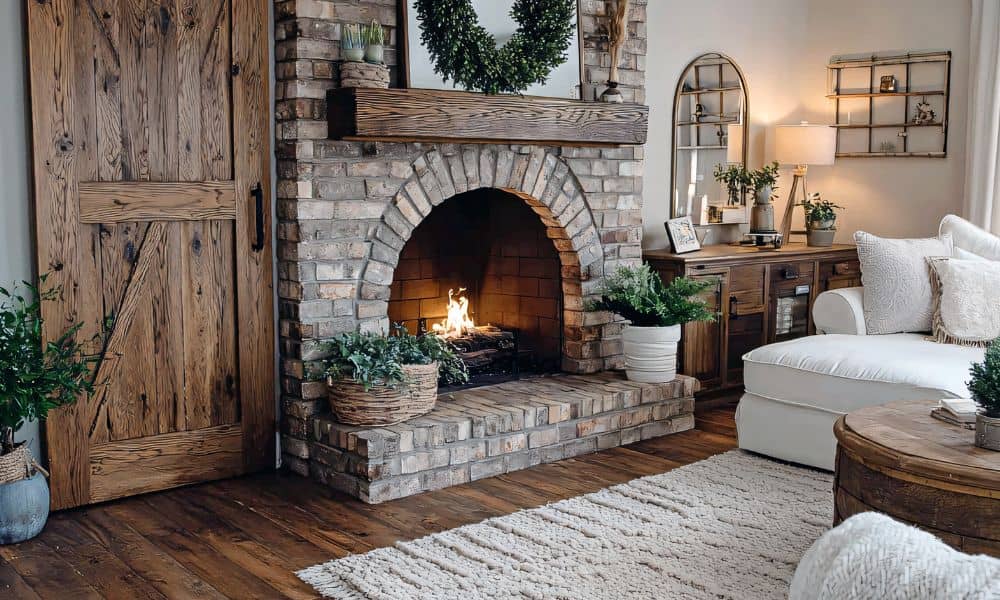
Fireplace changes are suddenly at the top of many homeowners’ to-do lists. Over the past few days, widely shared fire warning stories have reminded people how quickly a small issue can turn into a serious problem. Even if those fires didn’t happen locally, the message landed close to home. When something involves heat, flames, and your living room, it feels personal.
As a result, many homeowners are not just thinking about safety. They are acting fast. Some of these fireplace changes help. Others create new problems that show up months later. Understanding what people are rushing to change — and why — can help you make smarter decisions for your own home.
Why Fire Warnings Change How Homeowners Think
When fire warnings spread online, fear moves faster than facts. People picture worst-case scenarios. They imagine flames spreading behind walls or smoke filling the house at night. Because of that, fireplaces stop feeling cozy and start feeling risky.
Instead of planning calm updates, homeowners often make quick fireplace changes just to feel safer right away. This reaction makes sense. However, fast decisions around permanent home features often come with trade-offs that people don’t see at first.
Many Homeowners Are Choosing to Stop Using Their Fireplace
One of the most common fireplace changes right now is simply not using the fireplace anymore. Homeowners decide that avoiding fire altogether feels like the safest move. They stop lighting fires and treat the fireplace as decoration only.
At first, this feels like an easy solution. No fire means no risk. However, unused fireplaces still affect the home. Air still moves through the chimney. Moisture can still collect. Temperature changes still affect the masonry. So while the fire is gone, the structure remains active in ways people often overlook.
Closing Off Fireplaces Feels Safe — But It Isn’t Always
Another trend involves sealing fireplaces completely. Some homeowners block the opening with panels, covers, or built-in features. Others close the damper and forget about it. These fireplace changes feel permanent and reassuring.
However, sealing a fireplace without a clear plan can trap moisture inside the chimney system. Over time, that moisture weakens mortar, stains walls, and creates odors. In some cases, it even causes brick to crack during freeze-and-thaw cycles. The fireplace may look inactive, but the structure still reacts to weather and airflow.
Fast Fuel Changes Create Confusion
Fire warnings also push homeowners to rethink how their fireplaces work. Many rush to switch from wood to gas or electric options. They hear that certain fuel types feel “safer,” so they act quickly.
While fuel changes can help in the right situation, rushed decisions often ignore the existing fireplace structure. Not every firebox fits every insert. Not every chimney supports every system. When compatibility issues appear later, homeowners face extra costs or limited options. The problem wasn’t the change itself — it was the speed of the decision.
Insurance and Resale Pressure Drive Fireplace Changes
Fireplace changes are no longer just about comfort. Insurance companies and home buyers now ask more questions. After fire warnings circulate, homeowners worry about coverage issues or inspection delays.
Some sellers remove or alter fireplaces before listing their homes. They hope to avoid objections during the sale. Others fear buyers will see an older fireplace as a risk. These decisions often happen without understanding how fireplaces affect home value. In many cases, thoughtful upgrades improve resale more than removal.
Why Rushed Fireplace Changes Often Lead to Regret
Fear-based decisions rarely feel wrong at the moment. The regret comes later. Homeowners realize they removed a usable feature that added warmth and value. Others find that sealed fireplaces cause moisture problems they never had before.
Some pay twice — once to rush a change, then again to correct it. Others lose flexibility by making permanent choices they didn’t need to make. These regrets don’t come from caring too much. They come from acting too fast.
Slowing Down Leads to Better Fireplace Changes
The smartest fireplace balances safety with long-term thinking. Instead of removing or sealing features right away, homeowners benefit from pausing and looking at the full picture.
A fireplace affects airflow, structure, moisture, and comfort. Changing one part often affects another. When homeowners slow down, they make choices that protect the home without creating new issues. They keep options open instead of locking themselves into one solution.
Smart Fireplace Changes Focus on the Structure First
Fire warnings remind people that fireplaces are more than décor. They are built systems tied to the home’s structure, and every change affects how that system behaves over time.
Instead of rushing to close or replace a fireplace, many homeowners pause and ask better questions. They want to know how airflow moves, how heat travels, and whether the masonry can still handle regular use. That’s often when conversations with local fireplace specialists come up naturally, especially for homeowners who want to make changes without creating new problems down the line.
By slowing the process, homeowners make fireplace changes that improve safety while keeping the fireplace usable. These choices protect comfort, preserve value, and reduce stress later. Just as important, they help avoid the kind of expensive surprises that rushed decisions often cause.
Fire Warnings Should Guide Decisions, Not Control Them
Fireplace changes make sense after safety warnings. Awareness matters. Action matters too. The key is choosing the right kind of action.
When homeowners act with information instead of fear, they protect their homes and their peace of mind. Fire warnings should spark smarter thinking, not panic. With the right approach, fireplace changes can improve safety, preserve value, and keep the heart of the home working the way it should.