In many Huntsville neighborhoods, a brick fireplace is still a centerpiece of the home. It adds warmth, character, and value. But homeowners often share frustrations online about cracked bricks, smoke problems, or fireplaces that simply don’t work as expected. These complaints usually trace back to one thing—how the fireplace was built, repaired, or modified over time.
In Huntsville, older homes and fast remodels collide more often than people realize. Understanding why brick fireplaces fail can save homeowners from repeat repairs and expensive fixes.
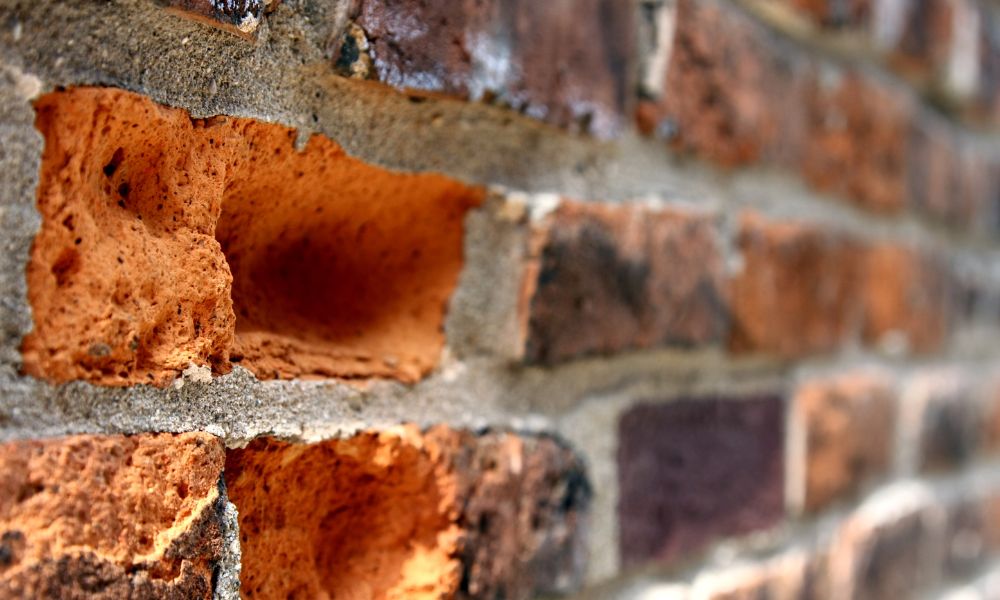
Why Brick Fireplaces Cause So Many Complaints
Homeowners often assume brick lasts forever. While brick is durable, fireplaces face intense heat, moisture, and movement. When even one part of the system is poorly built or altered, problems start showing up fast.
Many online complaints come from homeowners who updated their living room but didn’t address the structure behind the fireplace. Others hired general contractors instead of masonry specialists, leading to shortcuts that don’t hold up under heat.
Cracking Bricks and Failing Mortar Joints
One of the most common frustrations mentioned online is cracking. In Huntsville, shifting soil and seasonal temperature changes play a big role. Brick expands when heated and contracts as it cools. If the mortar isn’t the right type for fireplace use, it breaks down quickly.
Older fireplaces often used mortar that wasn’t designed for today’s heating patterns. Over time, gaps form, bricks loosen, and the fireplace becomes unsafe. Homeowners are often surprised to learn that surface cracks may point to deeper structural issues.
Smoke Coming Back Into the Room
Another frequent complaint is smoke spilling into the living space instead of going up the chimney. This problem frustrates homeowners because it can appear suddenly, even if the fireplace worked fine in the past.
In many cases, the issue isn’t the chimney cap or damper. It’s the firebox design or flue size. Older Huntsville homes were built for smaller fires and different airflow standards. Once a fireplace is modified, painted, or partially rebuilt, airflow can be disrupted, causing smoke problems that won’t fix themselves.
Painted Brick That Traps Moisture
Painted brick fireplaces are a popular trend, but they show up often in online regret posts. Brick is meant to breathe. When it’s sealed with standard paint, moisture gets trapped inside the masonry.
In Huntsville’s humid climate, that trapped moisture weakens mortar and causes bricks to flake or crumble. Homeowners often don’t connect peeling paint or soft brick to moisture until damage is already visible.
Repairs That Don’t Match the Original Build
Many of the fireplace problems Huntsville homeowners talk about online don’t come from the brick itself. They come from shortcuts taken during earlier repairs or renovations. When the wrong mortar is used, or repairs focus only on surface appearance, the fireplace may look fine for a short time but fail again once it’s exposed to heat and seasonal changes.
This is why repeated fixes are so common. Without understanding how a brick fireplace is supposed to handle expansion, airflow, and moisture, even small mistakes can turn into ongoing problems. Homeowners who work with a trusted local masonry team are more likely to avoid these issues because the focus is on structural integrity, proper materials, and long-term performance—not quick cosmetic solutions.
Over time, this approach saves money and frustration, especially in older Huntsville homes where fireplaces have already been modified more than once.
Common Fireplace Issues Huntsville Homeowners Mention Online
These issues tend to appear again and again in homeowner discussions and review forums:
- Loose or shifting bricks around the firebox
- Smoke odor even when the fireplace isn’t in use
- Crumbling mortar joints near the hearth
- Uneven heat or poor draft
- Visible moisture damage behind painted brick
Each of these points to deeper masonry concerns rather than cosmetic problems.
Why Older Huntsville Homes Are More at Risk
Many homes in Huntsville were built during periods when building codes and materials differed from today’s standards. Fireplaces were often added or modified years later without proper inspections.
When modern updates meet older masonry, problems surface. Without proper reinforcement, liners, and heat-rated materials, brick fireplaces struggle to perform safely and efficiently.
When Repair Is Enough—and When It Isn’t
Homeowners often ask whether a brick fireplace can be repaired or needs rebuilding. Minor mortar damage or isolated brick replacement may be enough in some cases. However, repeated cracking, smoke issues, or moisture damage usually signal deeper problems.
A professional masonry inspection can determine whether the firebox, hearth, or chimney structure needs more than surface repairs. Catching issues early prevents safety risks and costly rebuilds later.
Making Brick Fireplaces Work Long-Term
A brick fireplace should be an asset, not a recurring problem. Proper materials, correct airflow design, and skilled masonry work make the difference between a fireplace that lasts decades and one that keeps failing.
For Huntsville homeowners dealing with repeated fireplace issues, addressing the root cause—not just the visible damage—is the key to lasting results.