Outdoor kitchens are one of the most exciting additions a homeowner can make — blending cooking, entertaining, and outdoor living into one dynamic space. But as many homeowners soon discover, building an outdoor kitchen isn’t as simple as picking appliances and laying down pavers. There are common mistakes that can turn what should be a smooth project into a costly headache.
If you’re considering an outdoor kitchen, understanding what others regret before, during, and after construction can help you make smarter decisions — saving time, money, and frustration.
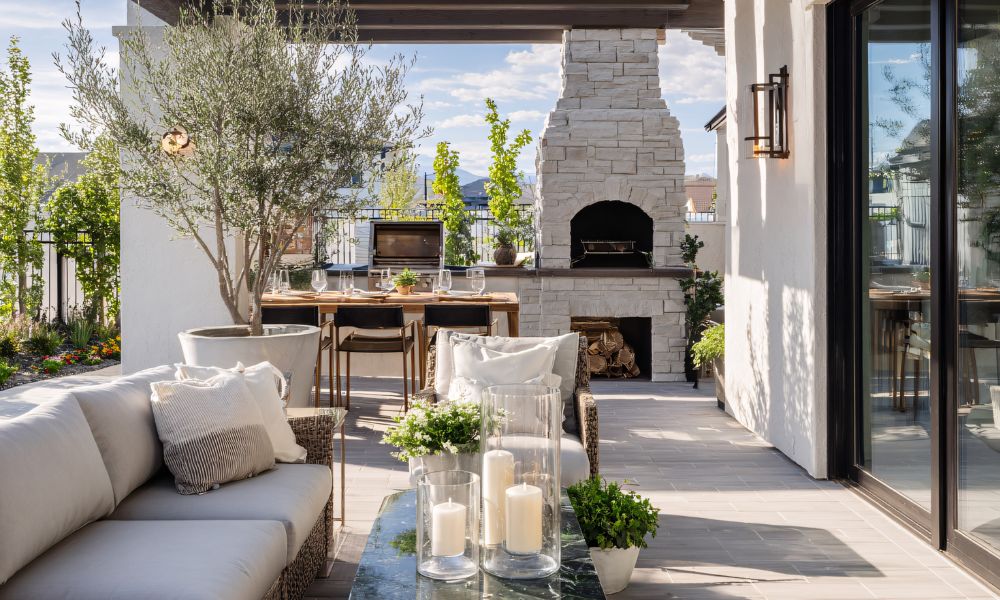
The Rising Popularity of Outdoor Kitchens
Over the past few years, outdoor kitchens have surged in popularity. They extend living space, enhance lifestyle flexibility, and often boost property value. But unlike a simple patio or grill setup, a full outdoor kitchen involves careful planning: utilities, layout, materials, and weather‑proofing all play critical roles in how well the space performs over time.
Homeowners who skip key planning steps often find themselves dealing with issues they never expected. Below are the most common pitfalls — and how you can avoid them.
Mistake #1 — Ignoring Functional Workflow
One of the biggest regrets homeowners share is not planning the workflow of the space. It’s not just about having a grill and counter; it’s about how you use the space.
Think about how food moves from prep to cook to serve. The most effective outdoor kitchens plan zones for:
- Food preparation
- Cooking
- Serving and seating
- Cleanup
When these areas aren’t aligned logically, people spend extra time walking back and forth, which makes cooking outdoors less enjoyable.
Tip: Sketch your layout on paper or use simple design software — place elements where they can be used comfortably and efficiently. If you’re unsure, ask a professional designer for input before construction begins.
Mistake #2 — Skipping Weather‑Ready Materials
Outdoor kitchens live outside — which means they’re exposed to sun, rain, wind, and temperature swings. One of the biggest regrets people have is choosing materials that look good but don’t stand up to the elements.
Many homeowners make these choices:
- Indoor cabinetry instead of weather‑rated units
- Porous stone or tile that stains easily
- Metal fixtures that rust or corrode
These materials may look fine at first, but over time they can fail — leading to warped doors, flaking surfaces, and maintenance headaches.
What works better:
Choose materials rated for outdoor use — stainless steel appliances, sealed stone or concrete counters, and marine‑grade cabinetry.
Mistake #3 — Forgetting Utilities Planning
Beyond the grill and fridge, outdoor kitchens often need:
- Electrical outlets
- Plumbing for sinks
- Proper lighting
- Gas lines for grills or burners
Under‑planning these utilities can lead to costly retrofits later. Many homeowners discover this after construction — when they realize their space doesn’t have enough outlets, or the sink doesn’t drain properly.
Tip: Work with an electrician and plumber early in the design phase to ensure all utilities are planned, permitted, and installed correctly.
Mistake #4 — Underestimating Budget and Hidden Costs
Many homeowners budget for appliances and stonework, then forget about smaller — but significant — expenses like:
- Permitting fees
- Lighting and electrical work
- Gas hookup
- Seating and furniture
- Coverings like pergolas or roofs
These costs add up quickly and can derail a project if not accounted for.
Smart planning: Create a realistic budget that includes a contingency of at least 10–15% for unexpected costs. This protects you from mid‑project surprises.
Mistake #5 — Not Planning for Comfort and Shade
Outdoor kitchens aren’t just about cooking — they’re about spending time outside comfortably. Yet many homeowners build their kitchens without considering shade, seating, or climate control.
What often gets missed:
- Pergolas or retractable covers
- Fans or heaters
- Comfortable seating zones
- Sun orientation that affects heat and glare
When these elements are forgotten, even the best‑designed outdoor kitchen can feel uncomfortable to use on hot afternoons or cool evenings.
Pro tip: Think like an entertainer — design the space for people, not just appliances.
What Homeowners Wish They Knew Before Starting
From conversations with homeowners and designers, here are candid insights people say they wish they knew before planning an outdoor kitchen:
- “We should have tested the layout with cardboard first.”
- “Choosing weather‑proof materials upfront saved us so much maintenance.”
- “We didn’t think about storage — now we wish we had cabinets built in.”
- “Good lighting makes the space so much more usable after dark.”
- “Our outdoor kitchen is great, but shade would have made it perfect.”
These reflections highlight a single idea: good planning leads to better results.
How to Avoid These Mistakes
Here’s how you can sidestep common regrets and set up your project for success:
1. Start With a Clear Vision
Define how you will use the space — daily family meals, big gatherings, or weekend barbecues.
2. Consult Professionals
Working with trusted builders for functional and stylish outdoor kitchens can make all the difference. These professionals don’t just install appliances — they help you think through layout, flow, and long-term usability to ensure your outdoor kitchen fits how you actually live and entertain.
3. Choose Durable Materials
Invest in weather‑rated components — they may cost more upfront but pay off over time.
4. Plan Utilities Early
Don’t wait until construction starts — get electrical, gas, and plumbing figured out first.
5. Add Comfort Features
Shade structures, lighting, and seating turn an outdoor kitchen into a true living space.
Final Thought
Outdoor kitchens are one of the most rewarding home investments — but also one of the most complex. Learning from the mistakes others have made can help you build a space that’s functional, beautiful, and enjoyable for years to come.
With thoughtful design and smart decisions, your outdoor kitchen won’t just be a cooking area — it’ll be a place where memories are made.