If you live in Florida, you may have noticed a big change in how homeowners’ associations (HOAs) are enforcing their rules. Across the state, HOAs are becoming stricter about property lines, building setbacks, and outdoor improvements. As a result, more homeowners are getting warning letters, fines, and even legal notices. Because of this shift, one document now matters more than ever: a boundary survey.
Many homeowners assume they already know where their property lines are. After all, there are fences, hedges, old survey pins, and plat maps. However, when HOAs increase enforcement, those assumptions can quickly lead to expensive mistakes. That’s exactly why a boundary survey has become one of the smartest investments for property owners.
Why Florida HOA Rules Are Getting Stricter
Over the past few years, Florida lawmakers and regulators have pushed for tighter HOA oversight and stronger enforcement. The goal is to create safer, better-managed communities. While this helps protect property values, it also means HOAs now pay closer attention to rule compliance.
As a result, inspections are becoming more common. In addition, violations are being handled more strictly. What once passed without notice can now lead to formal warnings, fines, and forced corrections.
Because of these changes, HOAs are cracking down on issues like:
- Fence placement
- Patio and paver extensions
- Sheds and storage buildings
- Driveway expansions
- Landscaping features
- Setback violations
In many of these cases, the dispute comes down to one thing: where the property line actually is. That is exactly where a boundary survey becomes essential.
What Is a Boundary Survey?
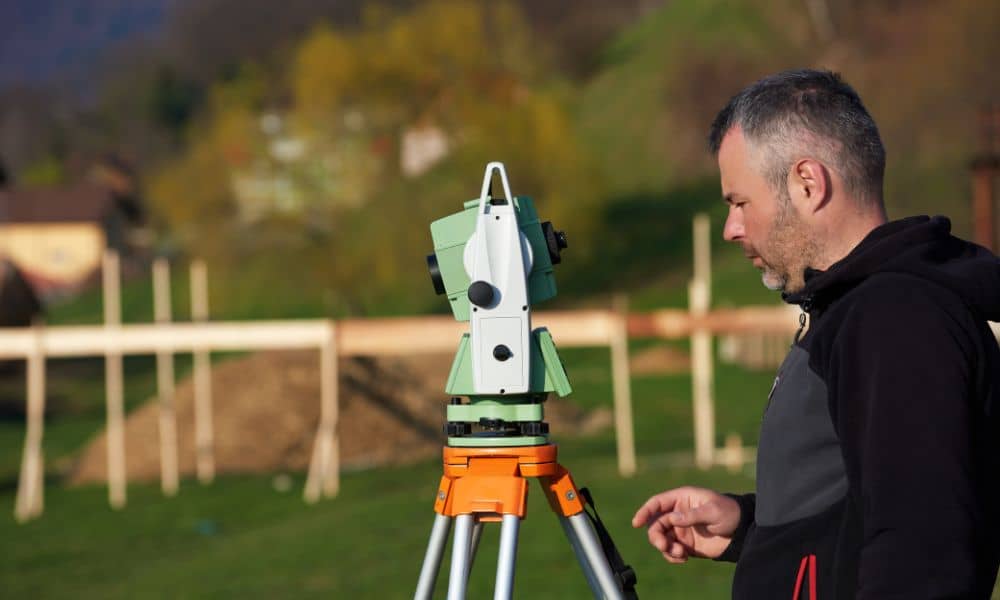
A boundary survey is a professional service that identifies the exact legal boundaries of your property. A licensed land surveyor reviews property records, locates existing monuments, and measures the land to confirm where your lot begins and ends.
Unlike old sketches or online maps, a boundary survey provides legally defensible proof of property lines. Because of that, HOAs, courts, cities, and lenders rely on it when disputes arise.
More importantly, a boundary survey helps prevent problems before they start. When you know your exact boundaries, you can build, landscape, and improve your property with confidence.
Common HOA Disputes That Start at the Property Line
HOA conflicts often begin with small improvements. However, even minor projects can quickly escalate if they cross a boundary line.
Some of the most common disputes include:
- Fences installed a few inches into a neighbor’s lot
- Paver patios crossing setback lines
- Storage sheds placed beyond permitted zones
- Driveway extensions overlapping common areas
- Landscaping features built outside lot limits
At first, these issues seem minor. However, once the HOA steps in, homeowners may be forced to remove improvements entirely. Unfortunately, that often means tearing out concrete, moving fencing, and paying fines on top of replacement costs.
Because of this risk, a boundary survey can save homeowners thousands of dollars in rework and penalties.
Why Old Surveys and Property Pins Are Not Enough
Many homeowners rely on old surveys, visible pins, or online maps to estimate their property lines. However, these sources often cause more problems than they solve.
Older surveys may no longer reflect current legal boundaries. Over time, land gets subdivided, easements change, and legal descriptions get updated. In addition, survey markers may shift due to soil movement, construction, or landscaping work.
Online mapping tools can be even more misleading. While they provide rough visuals, they do not show legal boundaries. In fact, many online maps can be off by several feet.
Because HOA enforcement relies on accurate measurements, only a current boundary survey provides reliable protection.
A Real-Life Scenario: How Small Mistakes Become Big Problems
Imagine this situation.
A homeowner installs a new fence using visible pins from an old survey. Everything looks fine. However, a neighbor raises concerns and contacts the HOA. Soon after, an inspection takes place.
A licensed surveyor confirms that the fence crosses the true property line by just 10 inches. Even though the error seems small, the HOA demands full removal and correction.
As a result, the homeowner pays for fence removal, new concrete footings, material replacement, labor, and inspection fees. What started as a simple improvement now costs thousands of dollars.
This type of story plays out regularly across Florida. Thankfully, a boundary survey before construction prevents these costly outcomes.
When You Should Order a Boundary Survey
Not every situation requires a new survey. However, several scenarios strongly justify getting one.
You should consider a boundary survey if you are:
- Installing a fence
- Building patios, decks, or walkways
- Expanding your driveway
- Adding sheds or storage units
- Installing permanent landscaping features
- Selling or buying property
- Responding to HOA violations
- Dealing with neighbor disputes
In each case, knowing the exact boundary protects your investment and avoids unnecessary conflict.
How a Boundary Survey Protects You Financially and Legally
A boundary survey does far more than show lines on paper. It provides real financial and legal protection.
First, it helps you avoid fines and forced corrections. Second, it reduces the risk of legal disputes with neighbors or HOAs. Third, it prevents construction delays and redesign costs. Finally, it gives you peace of mind.
Because HOAs and courts accept boundary surveys as legal proof, homeowners gain confidence knowing their improvements meet compliance standards.
In short, a boundary survey shifts risk away from you and onto documented facts.
Why Boundary Surveys Matter Even More in Florida
Florida’s dense housing communities, tight lot spacing, and strict zoning rules create the perfect conditions for disputes. Combined with rising HOA enforcement, this makes property line accuracy more important than ever.
Furthermore, South Florida’s soil movement, drainage patterns, and development history can affect old boundary markers. Over time, even well-placed monuments can drift.
Because of these local conditions, relying on outdated references often leads to conflict. A modern boundary survey eliminates that uncertainty.
Final Thoughts: Protect Your Property Before Problems Start
HOA enforcement in Florida continues to increase. As a result, homeowners must take proactive steps to protect themselves. A boundary survey gives you clear answers, legal protection, and confidence before making improvements.
Rather than waiting for a violation notice, smart homeowners verify boundaries early. Doing so saves money, prevents disputes, and avoids stressful corrections.
If you plan any exterior project, take time to confirm your property lines first. A professional boundary survey may be one of the smartest decisions you make for your home.