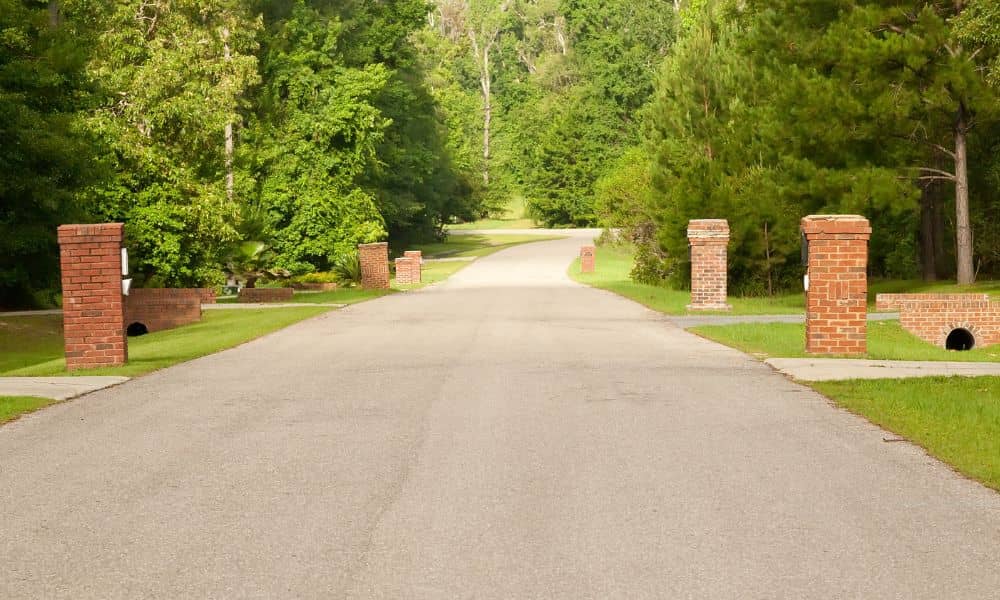
A brick mailbox looks solid and permanent. Many homeowners choose one because it adds character and boosts curb appeal right away. Still, even strong masonry can fail when the design ignores real-world conditions. Since a mailbox sits right beside the road, it faces more risk than most parts of your home’s exterior.
Lately, roadside mailbox crashes and neighborhood security clips have spread quickly online. Because of that, more homeowners now wonder whether a brick mailbox can handle impact, weather, and time without constant repairs. The good news is yes — when the design supports the structure, damage becomes far less likely.
Why Location Puts Every Brick Mailbox at Risk
Unlike a wall or a patio, a brick mailbox lives in a danger zone. Cars pass within a few feet every day. Delivery vans swing wide. Trailers cut corners. Even careful drivers make small mistakes. As a result, the mailbox often takes the hit.
However, impact does not cause every failure. Soil movement, trapped water, and poor base support create slow damage that many people miss at first. Over time, small cracks spread, mortar loosens, and the structure begins to lean. Homeowners often blame the brick, yet the real problem started in the design.
Because of this, the best protection begins before the first brick goes down.
Placement Decisions Prevent More Damage Than Repairs Do
Most people think strength comes from materials. In reality, placement prevents more damage than thicker brick ever will. When a brick mailbox sits too close to the road edge, even a minor drift can cause a strike. When it hides behind landscaping or sits in a blind curve, drivers react too late.
Good placement improves visibility and reaction time. A properly positioned brick mailbox gives drivers space and warning. It also keeps mail delivery smooth and safe. Height matters too. When the box sits at the right level, drivers and carriers approach it more predictably.
So while design often focuses on looks, smart builders start with positioning first.
The Hidden Foundation That Keeps a Brick Mailbox Standing
Many damaged brick mailboxes fail from below. The top looks fine, yet the base shifts and everything follows. This usually happens when builders rush the footing or skip proper soil prep.
Ground movement affects masonry more than people expect. Wet soil expands. Dry soil shrinks. Clay-heavy ground moves the most. Therefore, a shallow base cannot hold steady for long. A reinforced footing spreads the weight and keeps the structure aligned through seasonal changes.
Homeowners rarely see this part of the build, but it decides how long the brick mailbox stays straight and crack-free.
Why Internal Structure Matters More Than Exterior Brick
From the outside, most brick mailboxes look similar. Inside, they can differ greatly. Some builds only stack decorative brick around a weak or hollow center. That approach saves time, yet it reduces strength.
A reinforced core changes how the structure reacts to stress. When steel and filled masonry support the interior, the brick shell works as part of a solid unit. Small bumps create less separation. Vibration causes less joint failure. Over the years, that internal support prevents costly rebuilds.
So when people ask why one brick mailbox survives impact while another breaks apart, the answer usually hides inside the core.
Water Is the Quiet Cause of Many Brick Mailbox Repairs
Impact damage gets attention, but water causes more long-term problems. Rain hits the top surface again and again. If the cap design traps water, moisture seeps into mortar joints and brick pores. Later, heat and cold cycles expand that moisture and create cracks.
A well-shaped cap guides water away instead of holding it. Slight slope, tight joints, and overhang edges all help. In addition, small drainage paths near the base allow trapped moisture to escape. These details sound minor, yet they protect the structure year after year.
Because water damage grows slowly, many homeowners notice it only when repairs become unavoidable.
Visibility Features That Reduce Accidental Impacts
Sometimes a brick mailbox fails simply because a driver did not see it soon enough. Night driving, heavy rain, and glare all reduce visibility. Fortunately, design can solve that problem without hurting curb appeal.
Clear address numbers help first. Light contrast between materials helps next. Nearby lighting improves reaction time even more. Clean sightlines also matter. When plants crowd the structure, drivers lose visual warning.
These upgrades do not change the brick itself. However, they change how people interact with it. That difference alone prevents many roadside hits.
Brick Layout and Joint Quality Add Real Strength
Brick patterns do more than create style. They also spread force across the structure. When joints overlap correctly, stress travels through multiple bricks instead of one weak line. That shared load improves durability.
Mortar quality matters just as much. Consistent joint thickness and proper curing keep the wall tight. Poor joints create entry points for water and vibration. Over time, those weak spots open first.
Good craftsmanship shows in the details. Strong patterns and clean joints help a brick mailbox last longer with fewer repairs.
When Damage Signals a Design Problem
Not every crack means disaster. Still, repeating damage often points to a deeper design issue. A leaning structure, loose cap, or recurring corner crack usually signals movement or trapped moisture. At that point, most homeowners find it helpful to have a local masonry contractor take a look, just to confirm what’s really going on beneath the surface.
Quick patch jobs may hide the symptom, yet they rarely fix the cause. In many cases, a redesign during repair costs less than repeated fixes later. Upgrading the base, core, or drainage at that stage creates a stronger second build.
A Brick Mailbox Lasts Longer When Design Leads the Build
A brick mailbox should offer both beauty and durability. While brick itself provides strength, smart design multiplies that strength. Placement, foundation, internal support, water control, and visibility all work together to prevent damage.
Right now, more people notice mailbox failures because roadside incidents spread quickly online. Yet the bigger lesson stays practical and simple. When design leads the build, repairs become rare and performance improves.
For homeowners, that means fewer surprises, better curb appeal, and a structure that holds up year after year.