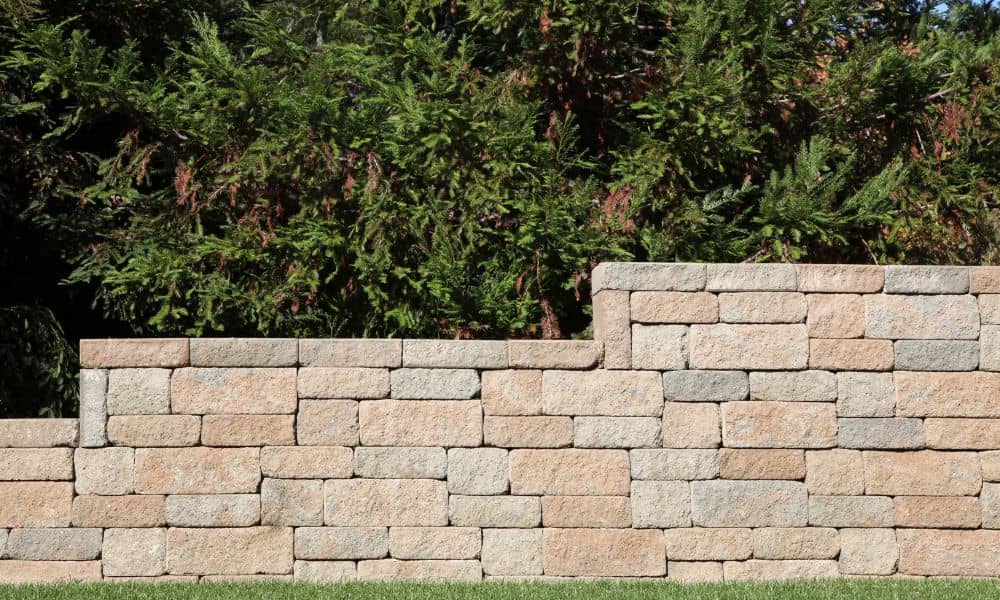
A new retaining wall should feel like a finished solution, not a new worry. You paid for professional work. You expect solid results. Still, many homeowners feel unsure right after installation. The wall looks good at first glance — but how can you tell if the build quality matches the promise?
Recently, more homeowners have shared online stories about rushed jobs, missing base prep, and skipped steps. Because of that, smart property owners now take a few minutes to review the work before they sign off on the project. The good news is simple: you don’t need tools or technical training to spot the most important clues.
Why New Retaining Wall Installs Deserve a Quick Review
Most retaining wall problems don’t start with materials. They start with workmanship. A wall can use a good block or stone and still fail if the crew rushes the prep work. However, early warning clues often appear right away — not years later.
That’s why timing matters. Right after installation, you still have access to the crew. Adjustments stay easier. Conversations stay productive. After final payment, leverage drops and delays grow. So a quick review protects your investment and keeps everyone aligned.
This step does not mean you distrust your contractor. Instead, it shows you care about the result — and good professionals respect that.
Compare the Finished Retaining Wall to What You Were Sold
Start with something many people skip. Put the finished wall next to the written scope of work. Then look for simple alignment between the two.
If the quote promised cap blocks, you should see cap blocks. If it listed a certain height, the wall should match that height across the run — not just at one end. If the design showed steps, corners, or tiers, those features should appear exactly as described.
This comparison catches more issues than technical inspection does. Not because contractors cheat often — but because miscommunication happens often. A visual match between promise and product builds confidence fast.
What the Bottom of the Wall Tells You About the Base
Now shift your focus to where the retaining wall meets the ground. This area tells a quiet but important story.
Strong walls usually begin slightly below grade. Builders bury part of the first course to anchor the structure. When you see the entire bottom row sitting fully above soil, that detail often points to shallow preparation.
You don’t need to dig or measure. Just observe how the wall “sits.” A properly seated wall looks integrated into the ground, not placed on top of it. If it looks too exposed, ask how deep the base trench goes. A clear answer should come quickly.
Visual Drainage Clues Most Homeowners Miss
You already know drainage matters, so let’s stay practical here. Instead of theory, look for proof.
Walk along the retaining wall and watch for small outlet points, short pipe ends, or visible gravel near edges. These details show that water has a planned exit path. Without them, pressure builds silently behind the wall.
Many experienced crews photograph drainage layers before they cover them. So if you don’t see visible clues, ask for progress photos. Professionals usually document this stage anyway. When they show you, confidence goes up immediately.
Straight Lines, Clean Caps, and Why Your Eyes Work Well
Step back and study the wall from a distance. Your eyes detect alignment better than any level tool in this situation.
A well-built retaining wall shows a smooth, intentional line. Curves look consistent. Straight runs look straight. Sudden waves or dips often signal rushed placement or uneven base support.
Next, look at the top row. Cap blocks should form a clean visual path. They should not jump up and down from piece to piece. When the top line looks steady, the build usually reflects careful pacing during install.
Stability Should Feel Solid — Not Fragile
Touch tells you a lot. Place your hand on a few caps and blocks and apply light pressure. Nothing aggressive — just enough to test firmness.
Pieces should feel secure. Caps should not rock. Face units should not shift. Movement often points to weak fastening or skipped adhesive. While small adjustments fix this easily, you want that correction done now, not later.
This simple touch test takes seconds but gives real insight.
Corners and Wall Ends Reveal Craftsmanship
Even strong crews slow down at corners — because corners demand precision. That’s exactly why you should study them.
Look at how the retaining wall finishes at the ends. Check how corners join. Notice how steps or transitions connect. Clean cuts, tight joints, and balanced spacing show care. Uneven patches or forced fits suggest the crew rushed the finish stage.
These areas act like signatures. They show how much attention the installer gave to detail.
The First Rain Tells a Truth Story
Weather provides the most honest performance test. After the first solid rain, take another look at your retaining wall.
You should not see soil washing out at the ends. You should not see muddy streaks pushing through the face. You should not see fresh gaps forming behind the structure.
Instead, the wall should look unchanged. Stable. Calm. Controlled. Take photos after that first storm. Documentation helps if questions appear later.
Good Contractors Expect Smart Questions
Some homeowners hesitate to ask follow-up questions. However, clear questions create clear answers.
Ask how deep the base goes. Ask where water exists. Ask if they documented the build stages. Strong contractors answer directly and often show photos right away. That openness signals professionalism.
You don’t need confrontation. You need clarity.
A Few Minutes of Checking Protect Years of Performance
A retaining wall should serve your property for decades. Still, long life starts with correct installation. Because of that, a short review right after construction makes sense.
You’re not acting difficult. You’re acting informed. When the wall checks out, you gain peace of mind. And if something needs adjustment, you catch it early — when fixes stay quick and affordable.
That small effort today protects a big investment tomorrow.