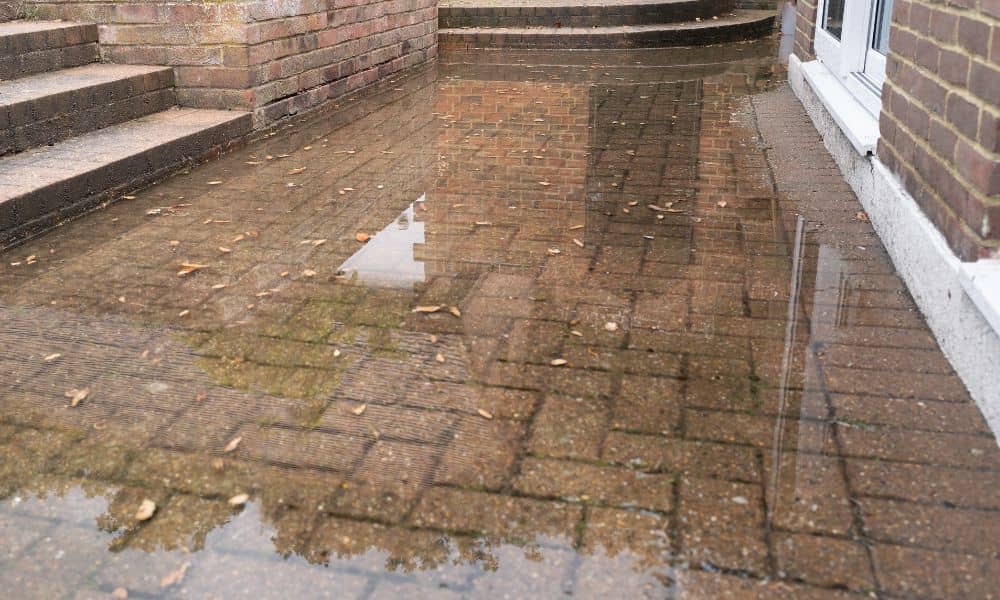
A new brick patio can completely change your backyard. It adds charm, gives you space to relax, and boosts your home’s value. However, in Madison, Alabama, building a brick patio now comes with more responsibility than many homeowners realize.
In 2026, drainage rules and stormwater enforcement matter more than ever. The City of Madison continues to tighten how it manages runoff and surface water. That means your patio is not just a design choice. It affects how water moves across your property — and sometimes beyond it.
Why Drainage Rules Matter More Now
Madison keeps growing. New homes, new neighborhoods, and more hard surfaces change how water flows through the city. As a result, local officials pay closer attention to stormwater control.
When rain falls on grass, the soil absorbs much of it. However, when rain hits a brick patio, water moves faster. Even though bricks have joints, most patios act like solid surfaces during heavy rain.
Because of that, cities monitor how added hardscape affects runoff. If water from your property drains into the street system too quickly — or worse, into your neighbor’s yard — the city may step in.
In the past, many homeowners never thought about this. Now, drainage has become part of responsible building.
How a Brick Patio Changes Water Flow
Before construction, your yard likely absorbs rain naturally. Grass and soil slow water down. They spread it out and let it sink in.
Once you install a brick patio, that dynamic changes.
Instead of soaking in, water travels across the brick surface. It follows the slope of the patio and the grading of your yard. If that slope directs water toward your home’s foundation, you could face pooling. If it pushes water toward a neighbor’s lot, you could face complaints.
Even small changes in grade can redirect large amounts of water during a heavy Alabama storm. Madison sees strong rain events, especially in late spring and summer. Therefore, drainage planning matters from the start.
What Counts as an Impervious Surface
Many homeowners assume brick allows water to pass through. While some moisture seeps between joints, most brick patio installations still function as impervious surfaces during heavy rain.
That means the patio prevents water from soaking into the ground at the same rate as grass. As a result, it increases runoff volume and speed.
Cities look at the total amount of hard surface on a property. Driveways, sidewalks, and patios all add up. If you expand your brick patio significantly, you increase that total.
In certain cases, that increase may trigger review requirements — especially in newer subdivisions with strict drainage plans.
Easements and Hidden Risks
Before building a brick patio, you need to check your property survey. Many Madison homes include drainage easements along rear or side property lines.
These easements allow water to flow across properties during storms. They also allow the city access for maintenance.
If you build inside a drainage easement, you create two problems. First, you block natural water flow. Second, you risk future removal if the city needs access.
Unfortunately, many homeowners learn about easements after construction. By then, removal costs far more than early planning.
Therefore, always review your plat map before finalizing your patio location.
The Neighbor Factor
Drainage disputes rarely start during construction. They start after the first heavy rain.
Your neighbor may notice new pooling along the fence line. They may see erosion that did not exist before. Even if you did not intend to redirect water, the new brick patio may have changed how runoff flows.
In Madison, homeowners can file drainage complaints. If an inspector determines that your patio altered natural flow and caused damage, you may need to modify the installation.
Nobody wants tension with neighbors. Smart planning prevents those issues before they start.
Do You Need a Permit?
Many small patio projects do not require a full building permit. However, that does not mean drainage rules disappear.
If your project involves major grading, work near easements, or significant surface expansion, you should verify requirements with the city. Some HOAs also require approval before adding hardscape.
Checking first saves time and money. On the other hand, correcting a drainage issue after installation often costs much more.
Why 2026 Brings More Attention
Stormwater systems across the country face pressure. Cities must meet federal environmental standards. As neighborhoods expand, runoff increases. Therefore, local governments track water flow more closely.
Madison continues to grow quickly. With growth comes stricter oversight. Inspectors now document complaints more thoroughly. Records last longer. Patterns matter.
This shift does not mean you cannot build a brick patio. Instead, it means you must plan smarter.
Smart Planning Before You Build
You do not need to become an engineer. However, you should ask the right questions.
Where does water currently drain on your lot? Will the new patio raise or lower that path? Does the slope push water away from structures? Does your property include recorded drainage easements?
Working with professionals who understand soil and rainfall patterns makes a big difference. Local experience matters. Red clay soil behaves differently than sandy soil. Heavy rain falls differently here than in drier states.
When you plan correctly, your brick patio enhances your property instead of creating long-term problems.
Property Value and Future Buyers
A well-designed brick patio adds strong curb appeal. Buyers love outdoor living spaces. However, buyers also notice drainage issues.
Pooling water near foundations raises red flags during inspections. Standing water near fences suggests grading concerns. Even minor erosion signals improper runoff control.
If you design your patio with drainage in mind, you protect both your home and your resale value.
Build Beautiful — But Build Smart
A brick patio creates warmth and character. It turns empty backyard space into a place for family gatherings and quiet evenings. In Madison, Alabama, it can also serve as a long-term investment.
However, drainage rules and stormwater awareness have changed the conversation. Hardscape no longer stands separate from responsibility.
When you understand how your brick patio affects water flow, easements, and neighbors, you make better decisions. Planning early prevents conflict later. Most importantly, it ensures your patio performs as beautifully as it looks.
If you plan to build, make drainage part of the design from day one. Your backyard — and your peace of mind — will thank you.