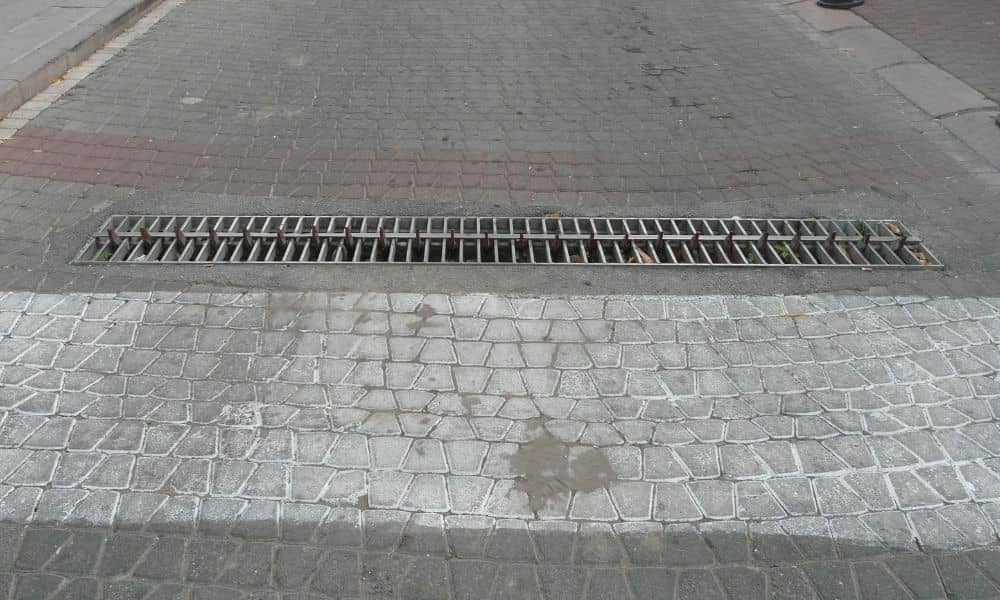
A few days ago, a video of a road suddenly collapsing spread across social media. Drivers slowed down, cameras rolled, and within hours the clip went viral. At first, people thought the pavement had simply broken apart. However, engineers quickly explained the real issue. The surface looked solid, yet the ground underneath had slowly weakened until it could no longer hold the weight above it. That moment surprised many people. After all, the road looked normal before the collapse. Yet the truth is simple: when the foundation fails, even the strongest surface can give way. The same idea applies closer to home. Patios, walkways, and driveways made with brick pavers rely on a stable base underneath them. When that base stays strong, the pavers stay level and secure for years. However, when the ground beneath them shifts or weakens, the surface can start to move.
Understanding this helps homeowners spot problems early and protect their outdoor spaces. In many cases, noticing small changes and getting advice from a local masonry contractor can help prevent minor movement from turning into a larger repair later on.
Why Surfaces Can Look Fine Until Something Changes
Most people judge a surface by what they see. If the patio looks flat and the bricks sit evenly, everything must be fine. That is how many homeowners view brick paver surfaces around their patios or walkways. However, the surface tells only part of the story.
Below every paved area sits soil that supports the weight above it. Rain, moisture, and time slowly affect that ground. In many cases, those changes happen little by little. Because of that, homeowners may not notice anything wrong at first.
Then one day the surface shifts.
For example, a section of brick pavers might sink slightly. Another area might tilt after a heavy rain. At first, the change looks small. Yet it often signals that the ground underneath has started to move.
That is why strong foundations matter so much. They support the surface and help it handle everyday pressure from foot traffic, furniture, and weather.
Small Changes That May Signal Trouble
In many homes, outdoor surfaces change slowly over time. However, certain signs deserve attention. These changes often show up before bigger problems appear.
First, you might notice a small dip in one section of your patio or walkway. The bricks still sit close together, yet the surface no longer feels perfectly flat.
Next, water may begin to collect in a spot where it never pooled before. That often means the surface has shifted enough to change how water flows.
You might also see joints between brick pavers widen slightly. Over time, the edges may look less tight than before.
Sometimes the change feels more than it looks. When you step on a paver and feel a slight movement, the base underneath may no longer support it evenly.
Each of these signs may seem minor. However, they often show that the ground below has begun to change.
Why Early Movement Should Not Be Ignored
Many homeowners delay repairs because the surface still works. The patio still holds furniture. The walkway still leads to the door. Therefore, the problem feels small.
However, movement rarely stays in one place.
When one section shifts, nearby areas often follow. Over time, dips can grow larger, and water may begin to collect more often. In addition, uneven surfaces can create tripping hazards for family members and guests.
Therefore, small changes deserve attention early. Addressing the issue while it remains limited usually makes repairs simpler and faster.
When a Simple Fix Is Not Enough
Homeowners sometimes try quick repairs first. They may replace one loose brick or refill joints between brick pavers. In some cases, those fixes help the surface look better for a while.
However, problems sometimes return in the same spot.
When that happens, the cause often lies beneath the surface. A deeper issue may affect the support below the pavers. In that case, replacing a few bricks will not solve the root problem.
Instead, a proper repair focuses on restoring the stability below the surface. Once the foundation returns to a solid condition, the pavers can sit level again.
What Professionals Look For
When a contractor evaluates a patio or walkway, they look at more than the surface pattern. First, they check areas where movement appears repeatedly. Patterns often reveal where the ground has shifted.
Next, they study how water moves through the space. Rainwater that gathers in one area can weaken the ground over time.
They also examine edges and borders. When edges begin to spread outward, the surface may no longer hold together as tightly as it should.
Finally, they consider nearby landscaping changes. New planting beds, downspouts, or grading adjustments can affect how moisture reaches the ground around the patio.
All these clues help professionals understand why the surface changed.
Why Weather and Time Matter
Outdoor spaces face constant pressure from the environment. Rainwater seeps into soil and changes how firm the ground feels. Meanwhile, dry periods cause the ground to shrink slightly.
Over time, these natural cycles can affect outdoor surfaces. Areas that once stayed stable may slowly shift after many seasons.
Because of this, even well-built patios deserve occasional inspection. Watching for early warning signs helps keep small changes from becoming larger problems.
Fortunately, brick pavers themselves handle weather very well. They resist cracking and can be adjusted more easily than poured concrete surfaces.
That flexibility makes them a popular choice for patios and walkways.
Why Brick Pavers Remain a Strong Choice
Despite occasional shifting, brick pavers remain one of the most durable outdoor surfaces homeowners can choose. Individual bricks lock together and distribute weight across the surface.
In addition, repairs often focus on a small section instead of replacing the entire area. That makes maintenance easier and helps outdoor spaces last longer.
Because of these advantages, patios and walkways built with brick pavers continue to grow in popularity.
Homeowners enjoy the classic appearance, while contractors value the long-term performance.
The Lesson Behind the Viral Sinkhole
The viral road collapse reminded people of a simple truth. A surface can look strong while hidden problems develop underneath.
Fortunately, most patios and walkways never face dramatic failures. Still, the lesson remains useful. Paying attention to small changes helps homeowners protect their outdoor spaces.
When brick pavers stay level and supported, they provide a safe and beautiful place for family gatherings, outdoor meals, and quiet evenings outside.
However, when early signs appear, taking action sooner prevents larger repairs later.
Final Thoughts
The viral sinkhole video caught everyone’s attention because it showed how quickly surfaces can fail when the ground beneath them weakens.
Fortunately, homeowners have the advantage of spotting problems early. Watching for small changes in brick pavers—such as uneven spots, water pooling, or loose bricks—helps keep patios and walkways in great condition.
With proper support and timely repairs, brick pavers can last for decades. They offer beauty, strength, and flexibility that many other surfaces cannot match.
So the next time you walk across your patio or driveway, take a moment to notice the details. A stable surface today means your outdoor space will stay safe and enjoyable for years to come.