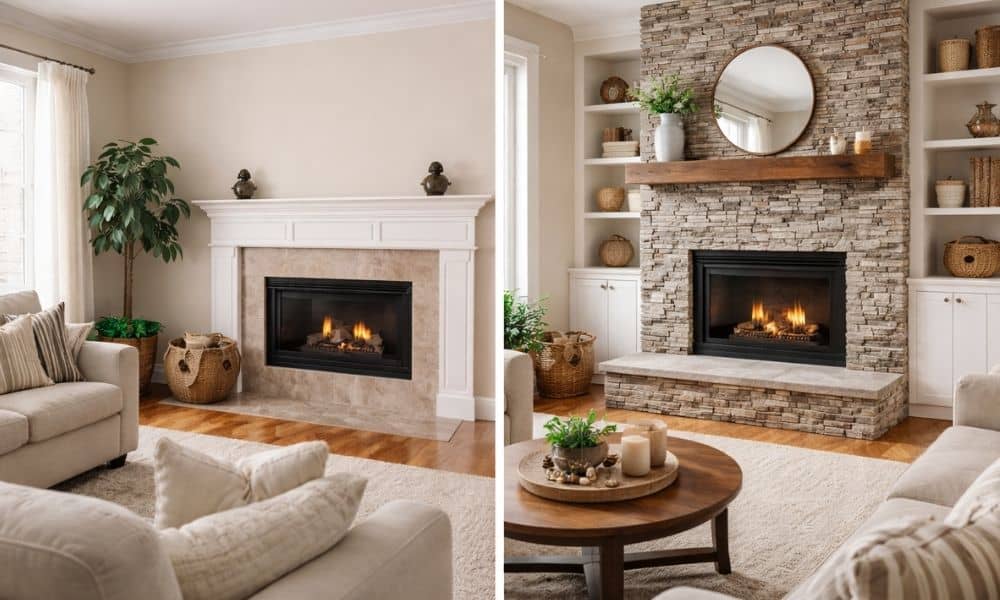
Homes change with time. Design trends move fast, and what looked modern ten years ago can feel plain today. Right now, many designers talk about a new direction called layered interior design. Instead of flat spaces and simple walls, homes now mix textures, colors, and natural materials.
Because of that shift, one feature is gaining attention again: the stone fireplace. A stone fireplace adds warmth, depth, and character to a room. More importantly, it gives the space a clear focal point. As homes grow more open and spacious, people want one feature that draws the eye and anchors the room. Many homeowners begin by looking at our masonry work to see how natural stone can transform an ordinary living room into a space with texture and depth. In 2026, the stone fireplace is doing exactly that.
The Rise of Layered Interior Design
For several years, many homes followed a minimalist look. Rooms used smooth surfaces, white paint, and simple shapes. While that style felt clean, it often made spaces feel empty.
Now, homeowners want something different. They want rooms that feel comfortable and full of life.
Layered interior design focuses on combining different materials and textures. Instead of one flat surface, the room builds depth through natural elements.
Common features of layered interiors include:
- wood beams or wood accents
- textured fabrics
- warm lighting
- natural stone
- neutral color palettes
As a result, rooms feel richer and more welcoming. However, layered spaces need a strong centerpiece to hold everything together. That is where a stone fireplace comes in, and many homeowners start thinking about different stone fireplace styles that can bring texture and balance to the room.
Why a Stone Fireplace Naturally Becomes the Focal Point
Every room needs balance. Without a focal point, the eye does not know where to look.
A stone fireplace solves that problem quickly.
Stone has natural texture and color variation. Each piece looks slightly different, which adds visual depth. Therefore, even a simple fireplace wall can stand out.
In addition, stone works with many home styles. It fits rustic homes, modern homes, and even clean contemporary interiors. Because of that flexibility, designers often use it to anchor the living room.
Open floor plans also play a role here. Many homes now combine the living room, dining room, and kitchen into one large space. While that layout feels spacious, it also removes walls that once created visual structure.
A stone fireplace restores that structure. It gives the room a center point where furniture, lighting, and décor naturally gather.
Why Many Homeowners Are Updating Older Fireplaces
Many homes built in the 1990s and early 2000s include simple brick fireplaces or painted surrounds. At the time, that design felt modern.
Today, those fireplaces often blend into the wall.
Because of that, homeowners now look for ways to refresh the space without rebuilding the entire room.
Updating a stone fireplace often solves that problem.
Stone instantly adds depth and character. Even small changes can transform how the room feels. In many homes, the fireplace upgrade becomes the most noticeable improvement in the living area.
Furthermore, homeowners like upgrades that bring both style and long-term value. Stone materials feel durable and timeless. As a result, the fireplace looks intentional rather than temporary.
Popular Stone Fireplace Styles in Modern Homes
Design trends continue to evolve, and stone fireplaces now appear in several styles. Each option creates a different look while still adding natural texture.
Floor-to-Ceiling Stone Fireplace
This style stretches stone from the hearth to the ceiling. The tall surface creates a bold statement in the room.
It works especially well in homes with vaulted ceilings or large living spaces.
Stacked Stone Fireplace
Stacked stone uses narrow pieces of stone arranged in horizontal lines. The pattern creates strong texture while keeping the surface clean and structured.
Many modern rustic homes choose this style.
Stone Fireplace With a Wood Mantel
Wood and stone work naturally together. A wood mantel softens the look of the stone while adding warmth.
Because of that balance, this combination fits many home styles, from farmhouse to transitional interiors.
Minimalist Stone Fireplace
Some modern homes use larger stone pieces with clean lines. The design keeps the fireplace simple while still adding texture.
As a result, the fireplace blends well with modern furniture and open spaces.
Connecting Indoor and Outdoor Living Spaces
Another reason the stone fireplace is trending comes from outdoor living design.
Many homeowners now invest in outdoor spaces such as patios, outdoor kitchens, and backyard gathering areas. These spaces often use natural materials like stone and brick.
When the same stone appears inside the home, the design feels connected.
For example, a living room fireplace may use similar stone to the backyard patio or outdoor fireplace. Because of that shared material, the indoor and outdoor spaces feel like part of one larger environment.
This design approach works especially well in homes where large windows or sliding doors open toward the backyard.
Why Natural Materials Are Trending Again
Homeowners now care more about authenticity in design. Instead of synthetic finishes, people prefer materials that feel natural and lasting.
Stone fits this idea perfectly.
Each stone piece has unique color and texture. Therefore, no two fireplaces look exactly the same.
In addition, natural materials age well. Over time, they continue to look solid and intentional. Many designers believe that materials with natural variation create spaces that feel calmer and more grounded.
Because of that, stone fireplaces have returned to popularity in many modern homes.
What Homeowners Should Think About Before Adding a Stone Fireplace
A fireplace upgrade can transform a room. However, planning still matters.
First, homeowners should consider the size of the wall. Large stone surfaces work best when the room has enough space to support the visual weight.
Next, color selection plays an important role. Lighter stones can brighten a room, while darker stones create a bold statement.
Mantels, lighting, and built-in shelves also influence the final design. When these elements work together, the fireplace feels like part of the home rather than an added feature.
Finally, working with skilled masonry professionals helps ensure the installation looks clean and balanced. Proper planning allows the fireplace to become a natural part of the room’s architecture.
The Stone Fireplace as a Lasting Design Feature
Design trends will continue to change. However, natural materials often stay relevant far longer than temporary styles.
A stone fireplace offers both visual impact and lasting character. It adds depth to a room, supports layered interior design, and creates a gathering point for family and guests.
Because of that, the fireplace often becomes the feature people remember most when they walk into the home.
In 2026, layered interiors focus on warmth, texture, and natural beauty. As those trends continue to grow, the stone fireplace stands out as one of the most powerful ways to bring those ideas into everyday living spaces.