A well-built stone masonry project can last for decades. It adds strength, beauty, and value to any property. But when done wrong, it can lead to costly repairs and ongoing frustration.
Many homeowners in growing areas like Frisco, TX are investing in stone features. From patios to retaining walls, the demand is high. At the same time, online discussions—especially on forums like r/HomeImprovement—show a pattern of common issues tied to poor workmanship.
Understanding these problems before starting your project can save you time, money, and stress.
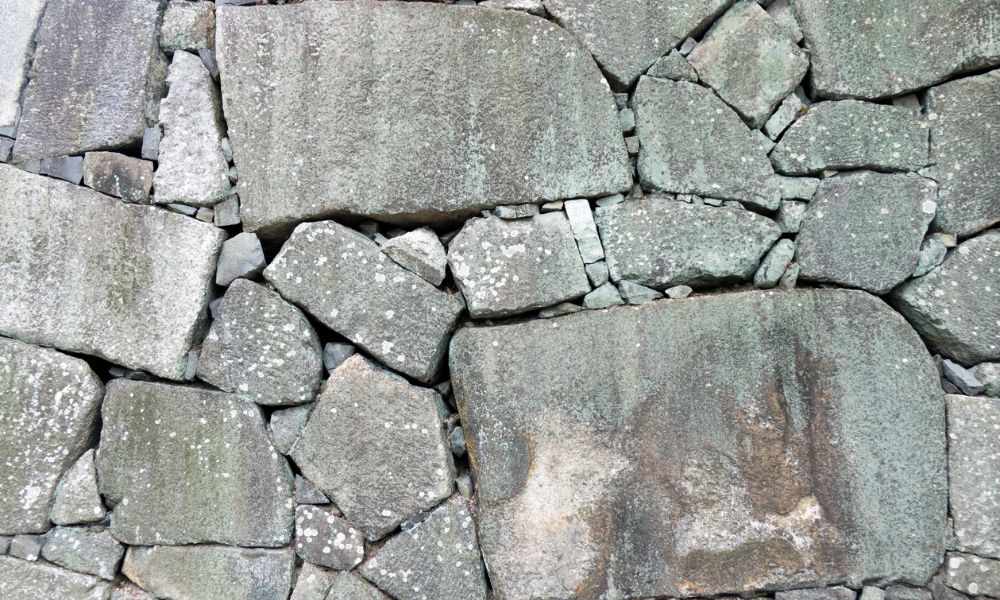
Why Stone Masonry Projects Go Wrong
Stone masonry looks simple from the outside, but it requires skill and planning. Each stone must be placed correctly, and the structure must be built to handle weight, moisture, and temperature changes.
Problems often begin when homeowners choose the lowest bid instead of the most qualified contractor. In many Reddit discussions, users mention hiring someone quickly, only to deal with loose stones or uneven surfaces later.
Another issue is lack of planning. Without a proper base and layout, even high-quality stone can fail. Good masonry is not just about appearance—it is about structure.
Poor Installation Is the #1 Problem
The most common complaint in stone masonry projects is poor installation. This includes uneven stone placement, weak mortar joints, and unstable foundations.
When stones are not set properly, they can shift over time. This creates gaps and weak spots in the structure. In some cases, entire sections may need to be rebuilt.
Poor mortar work is another major issue. If the mix is incorrect or applied unevenly, it can crack or crumble. This reduces the strength of the entire structure.
Homeowners often do not notice these problems right away. But over time, they become more visible and more expensive to fix.
Drainage Issues That Lead to Damage
Water is one of the biggest threats to stone masonry. Without proper drainage, moisture can build up behind or under the structure.
This is especially important in areas like Frisco, where heavy rain can occur. If water has nowhere to go, it can cause stones to shift or mortar to weaken.
Many Reddit users shared cases where retaining walls began to lean due to poor drainage. Others reported water pooling under patios, leading to uneven surfaces.
Proper drainage includes grading, base preparation, and sometimes the use of drainage systems. Skipping this step can shorten the life of your masonry project.
Choosing the Wrong Type of Stone
Not all stone is the same. Some types are better suited for certain projects and climates.
Using the wrong stone can lead to cracking, discoloration, or faster wear. For example, softer stones may not hold up well in high-traffic areas. Others may not handle temperature changes effectively.
Homeowners sometimes choose stone based on appearance alone. While looks matter, durability should always come first.
A professional mason can help select the right type of stone based on the project and local conditions.
Signs of Bad Masonry Work
It is important to know how to spot poor stone masonry early. Catching problems sooner can prevent larger issues later.
Look for these warning signs:
- Uneven or loose stones
- Cracked or missing mortar joints
- Water pooling near the structure
- Sections that appear to shift or lean
These signs often point to deeper structural problems. Ignoring them can lead to more damage over time.
How to Get Stone Masonry Done Right
The best way to avoid problems is to focus on quality from the start. This means choosing the right materials, planning the project carefully, and hiring skilled professionals.
Experienced masons understand how to prepare a strong base, ensure proper drainage, and place each stone correctly. They also know how to match materials to the environment.
Communication is also important. Homeowners should ask questions and understand the process before work begins. This helps set clear expectations and reduces the risk of mistakes.
A well-built stone masonry project is not just about looks—it is about long-term performance. When done right, it becomes a lasting feature that adds value and function to your property.