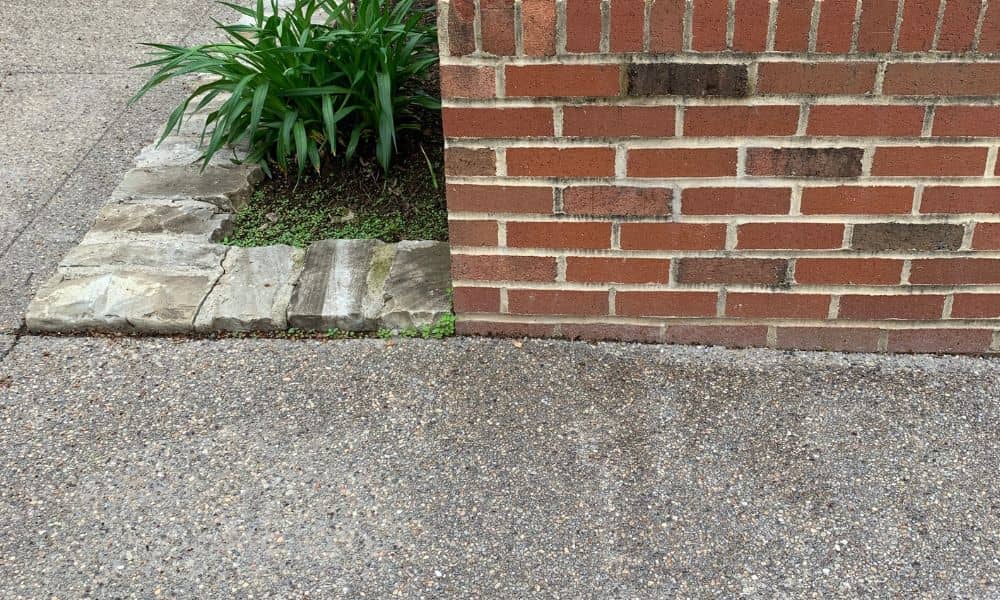
Sometimes, it only takes one viral moment to make everyone rethink safety. Last week, a college football player slammed into a retaining wall at the edge of a stadium, and the clip spread everywhere—sports channels, social media, and local news. It wasn’t the play that caught people’s attention, but the crash itself. The question everyone asked was simple: Why was a hard brick wall so close to the field?
That moment didn’t just spark debate among sports fans. It also opened a conversation about design, placement, and responsibility—especially for property owners. Here in Madison, Alabama, where brick and stone walls frame driveways, patios, and sloped yards, it’s a timely reminder that safety matters as much as strength.
Why the Story Matters to Homeowners
Retaining walls are a common sight across Madison. They hold soil in place, add structure to lawns, and make outdoor spaces look finished. But like that stadium wall, they’re also solid, unforgiving structures. If placed too close to walkways, parking spots, or play areas, even a small wall can cause serious injury.
Most people think of retaining walls as landscaping features, not safety risks. Yet a quick look around shows how often they’re built right beside where people walk, park, or play. A stone wall that lines a driveway, a brick planter along a patio, or a decorative wall near a swing set might look harmless—until someone bumps into it.
That stadium impact is a wake-up call. A wall built in the wrong place can do real harm, no matter how good it looks.
Retaining Walls Aren’t Just About Structure
When homeowners plan a wall, they usually focus on how long it will last or what materials to use. Those are important—but they’re not the full story. A well-built wall can still be dangerous if it’s in the wrong spot or left unmaintained.
Think about your own property. Are there walls where people often walk, drive, or gather? Do you have sharp edges or loose capstones? Is the wall easy to see at night? These are the small details that decide whether a wall feels safe or risky.
In short, retaining walls aren’t just about supporting soil—they’re about supporting safety.
What That Viral Moment Taught Us About Design
The problem at the stadium wasn’t the material. It was the placement. The wall sat far too close to where players moved at high speed. The same mistake can happen on a smaller scale in backyards and driveways.
Homeowners often want clean lines and structure. They want walls that look sharp, balance the space, and make the yard feel finished. But design choices shouldn’t sacrifice safety. A well-planned layout allows enough space for people to move freely without coming dangerously close to hard masonry.
Building or repairing a wall isn’t just about making it strong—it’s about making it smart. A few extra feet of space or a rounded edge can prevent years of regret.
How to Tell If Your Retaining Wall Might Be Unsafe
Take a slow walk around your yard and look at the walls you’ve lived with for years. Ask yourself:
- Is the wall close to where cars park or back up?
- Could someone trip over it or fall against it?
- Do you see loose stones, chipped mortar, or wobbly caps?
- Is it hard to see at night because there’s no lighting nearby?
If you said yes to any of these, it’s worth a second look. A local mason can inspect your wall for stability and suggest small fixes that improve safety without changing your design.
Remember: it’s not about tearing down what you have—it’s about preventing injuries before they happen.
Retaining Walls and Homeowner Responsibility
Accidents don’t just happen in public spaces. If a visitor, delivery person, or neighbor gets hurt on your property because of a poorly maintained wall, you could be held liable. Home insurance doesn’t always cover issues tied to neglect or unsafe design.
That’s why professionals now recommend an annual safety review for retaining walls—especially those near driveways, play zones, or high-traffic areas. The idea isn’t to find problems—it’s to keep people safe and protect your investment.
A short inspection once a year is a small step that can prevent costly damage or worse, an avoidable injury.
What Professionals Look for During a Wall Check
When a mason reviews a retaining wall, they look beyond cracks and drainage. They study how the wall interacts with its surroundings. Is it placed too close to an entryway? Does it line up with footpaths or driveways? Are there signs of movement or leaning that could make it unstable?
They’ll also check visibility, lighting, and whether the wall’s design fits its purpose. For example, a wall by a driveway might need reflective caps or protective barriers, while one beside a yard might need softened corners.
This kind of detailed assessment isn’t about selling repairs—it’s about ensuring your wall does its job without creating risk.
Why Safety Is the New Standard in Masonry
True craftsmanship in masonry isn’t only about looks or longevity—it’s about foresight. A well-built retaining wall should protect both your property and the people who use it.
That viral sports moment may fade from the headlines, but its lesson won’t. It reminds everyone—from stadium designers to homeowners—that walls should never be placed where impact is likely. Strong structures deserve safe surroundings.
If your wall hasn’t been reviewed in years, now’s the time. A local inspection can reveal small fixes that make a big difference—like resetting a loose stone, adding lighting, or reshaping a sharp edge.
The Takeaway
The stadium accident showed how one overlooked wall could cause a major scare. You don’t need to manage a sports field to learn from it. In Madison, where masonry is part of almost every home design, safety should be as important as beauty.
Your retaining wall should frame your property, not threaten it. Take a few minutes this week to look it over. If something feels off, call a local mason for a quick inspection. It’s a simple way to keep your home safe, your guests protected, and your craftsmanship built to last.