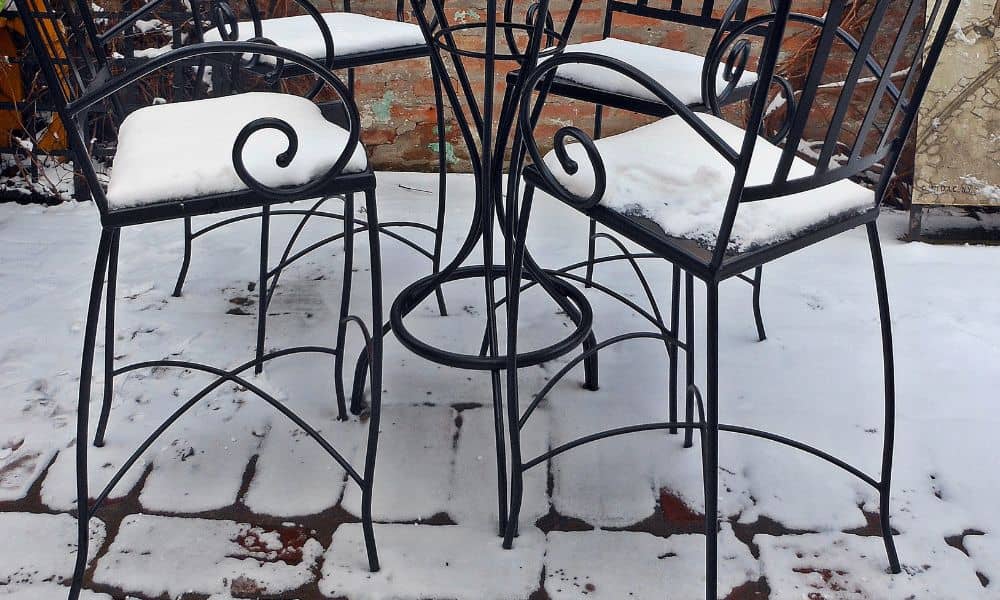
When the cold season hits, homeowners often start seeing their patios shift, crack, or lift in strange ways. What looked perfect in summer suddenly becomes uneven after a few hard freezes. If you have a brick patio, you’ve probably noticed this before — bricks rising at the edges, mortar lines splitting, or puddles forming where the surface used to be level. That’s not poor luck; it’s the result of freeze-thaw cycles and soil movement underneath.
The good news? With the right foundation, mix, and drainage, you can build or repair a brick patio that stands up to unpredictable winters for decades.
Understanding Why Patios Heave and Crack
When temperatures drop below freezing, the water trapped beneath your patio turns to ice and expands. As the ground swells, it pushes the bricks upward — a process called frost heave. Once the ice melts, the ground settles again, but the bricks don’t always return to their original place. Over time, that movement causes loose joints, wobbly bricks, and trip hazards.
Madison’s red clay soil makes this worse because it holds water like a sponge. If your patio wasn’t installed with proper drainage or a deep enough base, that moisture has nowhere to go. It freezes, expands, and repeats the cycle all winter long.
Start with a Solid Foundation
Every durable patio starts underground. The base is what determines whether your brick patio stays firm or starts shifting.
A professional mason usually begins by digging at least 8 to 12 inches deep, depending on the soil and slope. The first layer is a gravel base, compacted in stages so it’s rock solid. Gravel allows water to drain away from the bricks instead of sitting underneath them. Over that comes a thin layer of coarse sand — just enough to help level the surface before the bricks go down.
One mistake many homeowners make is laying bricks directly on soil or soft sand. That’s an open invitation for frost heave. The right base prevents movement and allows water to flow freely during heavy rains or freezes.
The Right Brick and Mortar Make a Difference
Not all bricks or mortar mixes perform the same in winter. For patios, you’ll want clay or concrete pavers rated for freeze-thaw durability. These are less likely to absorb water and crack.
When using mortar joints instead of sand, choose Type N mortar for flexibility or Type S for higher strength near steps and retaining walls. Mix small batches — just enough for what you can lay in an hour. Cold weather slows down curing, so keep your materials warm and avoid mixing in freezing air.
Adding too much water to the mix weakens the joints. You need a firm, peanut butter-like consistency. If it’s too wet, it’ll freeze before it fully cures, causing cracks to form by spring.
Watch the Weather Before You Build
Temperature matters as much as materials. Masonry work shouldn’t be done when it’s below 40°F unless you have protection in place. Cold mortar doesn’t bond properly, and any moisture trapped inside will freeze and expand.
If you need to work in colder weather, cover your patio area with insulated blankets or portable enclosures. You can even rent small heating tents that keep temperatures stable while the mortar sets. Once the bricks are laid, keep them covered for at least 48 hours. This helps prevent quick cooling, which leads to weak bonds and surface “ghosting” — those white haze marks you sometimes see after cleaning.
Drainage: The Secret Weapon Against Heaving
Even the best-built patios can fail without good drainage. A proper slope of 1/4 inch per foot ensures water runs off instead of pooling. That slight tilt is nearly invisible but keeps your surface dry and stable.
If your yard sits on clay-heavy soil, consider adding a small channel drain or gravel trench along the edges. This simple addition directs water away from the base and protects it from pressure during freeze-thaw cycles.
For patios connected to outdoor kitchens or retaining walls, make sure water isn’t draining toward the structure. Redirect it out and away. Good drainage is one of those details you only notice when it’s missing — usually after you’ve paid for repairs.
Proper Curing and Cleaning
After installation, patience pays off. The mortar and bricks need time to cure slowly. If you clean too soon or expose the surface to hard freeze overnight, you risk efflorescence — that white powdery film that appears when moisture pulls salts to the surface.
Keep your patio covered for two days and avoid acid cleaning for at least a week. When you do clean, use mild detergent or pH-neutral brick cleaner instead of harsh acids. That preserves the natural color of the brick and protects the mortar lines from wearing down.
Simple Winter Maintenance for Long Life
A little attention each season keeps your patio in shape. After each freeze, inspect for cracks, loose joints, or bricks that have shifted. Fill small gaps with mortar repair mix or polymeric sand before they widen.
Avoid using rock salt for ice — it eats away at mortar and bricks. Instead, go for calcium magnesium acetate or sand for traction. Also, keep the joints clear of leaves and dirt so water doesn’t get trapped.
Once spring arrives, rinse the patio with a garden hose, re-level any uneven sections, and reseal if needed. These small steps can easily extend the life of your patio by 10 years or more.
Why Local Know-How Matters
Madison’s climate is unique — mild most of the year but capable of sharp freezes that catch homeowners off guard. A mason familiar with local conditions knows how to prepare for these swings. They’ll choose the right materials, set the right slope, and plan for drainage specific to red clay soil.
Hiring a local expert isn’t just about skill; it’s about understanding how the ground behaves here. That difference shows up every winter when some patios crumble while others stay perfectly level.
Final Thoughts
A well-built brick patio adds warmth, charm, and value to your home. But in places like Madison, it also has to survive winter’s constant freeze and thaw cycles. With a solid base, smart material choices, and good drainage, you can enjoy a patio that looks great through every season — not just the summer months.
If you’re planning a new patio or noticing cracks in your old one, now’s the time to act. Schedule a quick inspection before the next cold snap. A few preventative fixes today could save you from a costly rebuild by spring.
Your outdoor space should be a place to relax, not repair — and it all starts with building your brick patio the right way.