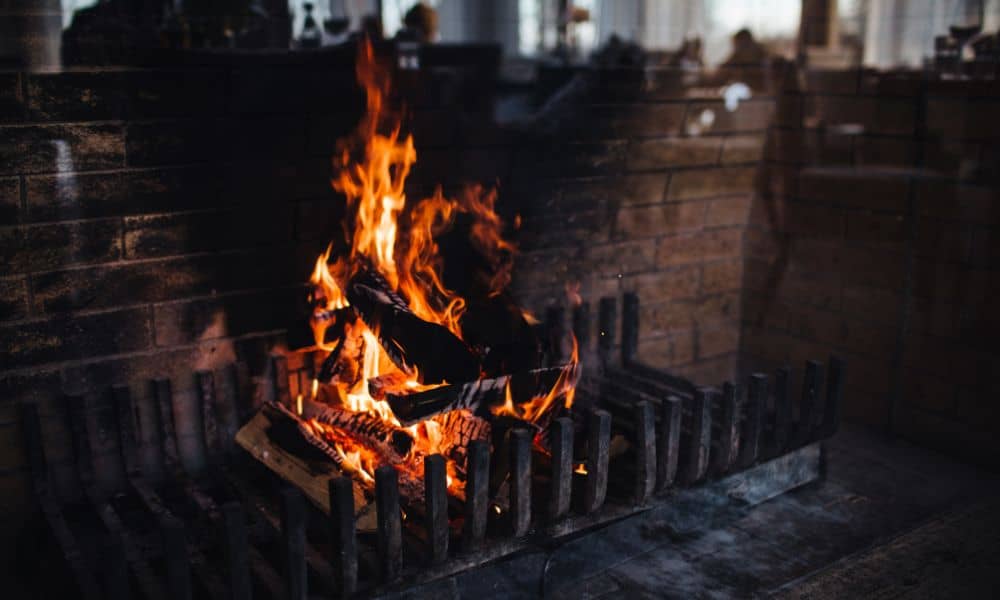
When firefighters responded to the recent house fire on Mastin Lake Road, eight Huntsville residents lost their homes in minutes. A fire moves fast, and it leaves behind more damage than most people realize—especially around the fireplace. Many homeowners think a brick fireplace can survive anything, but extreme heat, smoke, and sudden structural stress can weaken it in ways you cannot see. Because of this, you need to know when fireplace repair becomes urgent after any fire event.
After a fire, most people check the obvious areas. They walk through their living room, kitchen, and bedrooms to see what burned. However, the fireplace often takes more heat stress than the rest of the home. Bricks expand in high temperatures, mortar dries out, and surfaces crack. Even when everything looks normal, the heat may have caused internal damage. Huntsville homeowners should pay close attention to their fireplaces during the winter, especially after a heat or smoke incident.
How Fire Weakens a Brick Fireplace
During a house fire, temperatures rise quickly. Brick can handle heat, but it does not respond well to sudden changes. When one side heats up and the other stays cool, the brick cracks or warps. Mortar between the bricks dries, weakens, and loses strength. A fire can also damage the clay flue liner inside the chimney. When the liner cracks, smoke and carbon monoxide escape into the home. These dangers stay hidden until you use the fireplace again.
The Hidden Damage Fire Leaves Behind
Smoke also moves through every open space inside a fireplace system. It leaves soot on the walls, inside the flue, and deep inside the brick. When soot builds up, the chimney draft becomes weak. Smoke can spill into your home, and the risk of a chimney fire increases. If you smell smoke long after the fire ends, the soot has already settled where it should not be. This sign tells you the system needs a full inspection.
Heat and smoke also shift the chimney structure. As bricks expand during a fire, they sometimes pull apart. Even small shifts weaken the chimney stack. From the ground, everything may look normal, but a trained mason can see early signs of failure. Huntsville’s older homes, especially those with original fireplaces, face this issue more often because their materials cannot handle modern heat levels.
What to Do After a Fire Event
After a fire, document everything around the fireplace and chimney. Take clear photos of the firebox, hearth, mantle, and exterior chimney surfaces. When the insurance adjuster arrives, request a fire-specific masonry inspection. A general contractor may not understand the internal damage caused by heat and smoke, but a trained mason does.
During the inspection, the mason checks for:
- Cracked firebox walls
- Shifts in the chimney stack
- Damage to the flue liner
- Loose or crumbling mortar from heat
- Smoke leaks and soot buildup
- Damper problems caused by heat warping
This detailed inspection helps the mason understand exactly what the fire damaged.
Repair or Rebuild? Understanding Your Options
After the inspection, you need to know if your fireplace can be repaired or if it needs a rebuild. If the damage stays inside the firebox, simple repairs may fix the issue. A mason can replace broken bricks, rebuild the floor, or restore weak mortar joints. If the flue liner cracked, the mason replaces it to keep smoke moving safely out of the home.
However, if the chimney shifted or lost strength, you may need a partial or full rebuild. Although this sounds overwhelming, a rebuild gives you a safe and long-lasting fireplace structure.
Why Older Fireplaces Need Extra Attention
Many older homes have fireplaces built before updated fire codes. These fireplaces often use thinner liners, softer mortar, and bricks that cannot handle sudden high heat. Winter temperatures bring heavy fireplace use, and many homeowners do not realize their chimney already struggles before any fire happens. One serious heat event can push an old fireplace past its limit.
Signs You Need Professional Fireplace Repair
After a fire, look for signs of damage that require a mason’s help:
- Cracks inside the firebox
- Smoke drifting into the room
- Loud popping or cracking sounds during use
- A damper that sticks or will not move
- A chimney that leans or looks uneven
- A strong smoke smell days after a fire
- Bricks that sound hollow when tapped
These signs show that the fireplace no longer works safely.
How Professional Repair Restores Safety
A skilled mason strengthens weak mortar joints, replaces damaged flue liners, and rebuilds any unstable areas. They clean heavy soot and restore proper airflow. This repair work reduces smoke leakage, prevents carbon monoxide issues, and lowers the risk of a chimney fire. Once the fireplace works correctly, you can use it with confidence.
Final Thoughts
The recent Mastin Lake fire shows how quickly a fire can change a home. Your fireplace should bring warmth, not danger. When you keep the structure solid, you protect your home and your family. After any fire—big or small—get a professional inspection. Even if everything looks normal, hidden damage may put you at risk.
If heat or smoke touches your fireplace, reach out to a masonry professional. A small repair today can prevent a major problem tomorrow, and it keeps your home safe all season long.