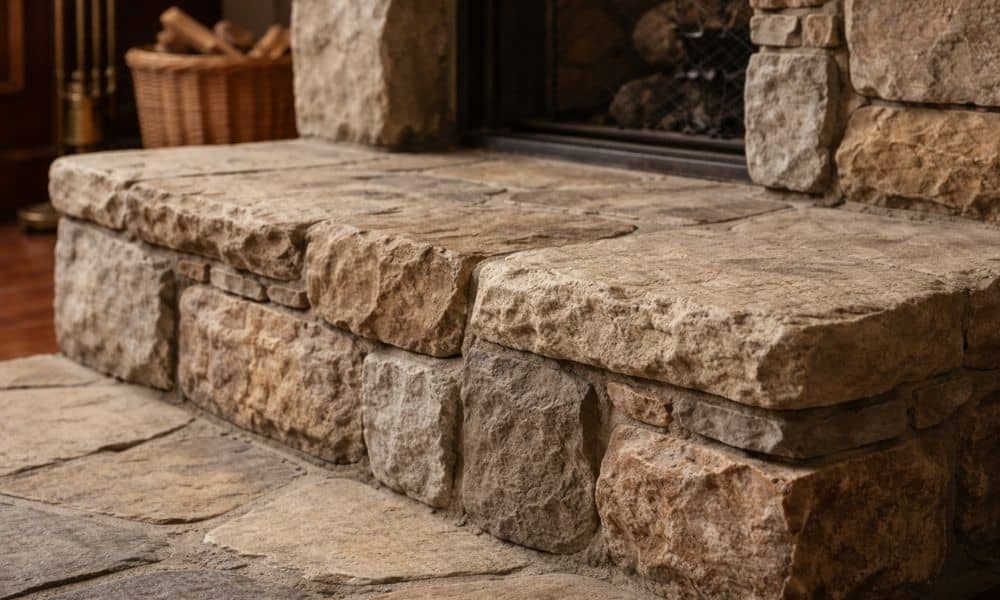
A stone hearth adds character, history, and value to a home. In many older Alabama houses, the hearth has been in place for decades. Over time, though, cracks appear, joints crumble, or the surface starts to look uneven or stained. When that happens, many homeowners rush into repairs without knowing that the materials they choose matter just as much as the stone itself.
Choosing the right mortar and finish for a stone hearth is not about trends or quick fixes. Instead, it is about compatibility, appearance, and long-term durability. If you understand how older hearths were built and how modern materials behave, you can avoid costly mistakes and protect the look of your home.
Why Older Homes Need a Different Approach
Older homes in Alabama were built during a time when masonry methods were simpler and more flexible. Builders often used lime-based mortars and natural stone sourced nearby. These materials worked together and aged slowly over time.
Today, many repair products are designed for speed, not compatibility. While they work well for new builds, they often clash with older stone hearths. As a result, repairs that look fine at first may crack, discolor, or loosen within a few years. That is why understanding your heart’s age and materials is the first step.
Start by Identifying Your Stone Hearth
Before choosing mortar or finish, you need to know what kind of stone hearth you have. This step alone prevents many common mistakes.
Some hearths use natural stone, such as limestone, sandstone, or fieldstone. These stones have irregular shapes and soft edges. Others use manufactured stone veneer, which has a more uniform look and size.
You can often tell the difference by looking at the edges. Natural stone shows variation in color and thickness. Manufactured stone usually looks consistent from piece to piece. This distinction matters because natural stone reacts differently to mortar and finishes than manufactured products.
What Mortar Really Does in a Stone Hearth
Many homeowners think mortar is just glue. In reality, mortar acts as a cushion between stones. It absorbs movement, protects edges, and allows the hearth to age without damage.
A good rule is simple: mortar should be softer than the stone. When stress occurs, the mortar should crack first. If the mortar is too hard, the stone takes the damage instead. Over time, that leads to chipped edges and loose stones.
This balance is especially important in older homes where stone and framing may shift slightly with age.
Common Mortar Types Found in Older Homes
Most older homes used lime-based mortar. This type of mortar is softer and more flexible than modern cement mixes. It also allows moisture to escape instead of trapping it inside the stone.
Some mid-century homes used early cement blends. These mixes are harder than lime mortar but still softer than today’s premixed products.
You can often spot lime mortar by its lighter color and crumbly texture. Cement-based mortar usually looks darker and feels harder to the touch. Knowing what is already in your hearth helps guide your repair choices.
Why Modern Premixed Mortar Can Cause Problems
Premixed mortar from big-box stores may seem convenient. However, these products are often too hard for older stone hearths. They cure fast and form rigid joints that do not move well with the surrounding stone.
As a result, cracks appear where stone meets mortar. In some cases, stones begin to loosen or spall at the edges. Homeowners then face repeat repairs that could have been avoided with the right materials from the start.
Choosing a compatible mortar may take more time, but it saves money and frustration in the long run.
Choosing the Right Finish for a Stone Hearth
Once the mortar is right, the finish becomes the next decision. A finish affects both appearance and maintenance, so it deserves careful thought.
Many older stone hearths look best with a natural finish. This approach keeps the stone’s texture and color intact. In contrast, heavy sealers or glossy finishes can darken stone unevenly and highlight flaws.
Some homeowners choose enhanced finishes to deepen color. While this can look good, it requires testing first. Stone absorbs products at different rates, so uneven results are common without proper preparation.
In many cases, less is more. A breathable finish that protects without altering appearance often works best for older stones.
Matching Repairs to an Existing Stone Hearth
One of the biggest concerns homeowners have is how new repairs will look next to old stone. Even small differences in color or joint size stand out once the work is done.
Matching mortar color takes patience. Dry samples often look different once cured. For this reason, testing small areas before full repairs makes a big difference.
Joint width and depth matter too. If new joints are wider or smoother than existing ones, the repair becomes obvious. Careful shaping helps repairs blend in instead of standing out.
Common Stone Hearth Repair Mistakes
Many regrets come from rushed decisions. One common mistake is over-cleaning stone. Harsh cleaners remove natural patina and make the hearth look flat or faded.
Another issue is grinding joints too smooth. While smooth joints may look neat at first, they often clash with the rustic character of older stone hearths.
Using the wrong materials also leads to repeating the same repairs every few years. Each fix becomes more expensive than the last.
When to Seek Professional Masonry Help
Some stone hearth issues go beyond cosmetic concerns. If stones feel loose, joints crumble deeply, or repairs keep failing, a professional evaluation helps prevent further damage.
A skilled mason looks at stone type, mortar composition, and past repairs before making recommendations. This approach protects the hearth and preserves its original character.
In many cases, proper repairs restore both appearance and stability without changing the hearth’s design.
Final Thoughts
A stone hearth tells the story of a home. In older houses, that story deserves careful preservation. Choosing the right mortar and finish protects the stone, blends repairs seamlessly, and avoids future problems.
Instead of rushing into repairs, take time to understand how your hearth was built. With the right choices, a stone hearth can age gracefully and remain a strong feature of your home for decades to come.