If you plan to build, there comes a point when plans on paper are no longer enough. At that stage, your project must move from drawings to real marks on the ground. That is where a construction staking survey becomes important. Many property owners only hear about it after a builder or inspector asks for stakes on site. When that happens late, delays often follow. This article explains when a construction staking survey is required, why it matters, and how it affects real building projects.
What a Construction Staking Survey Does
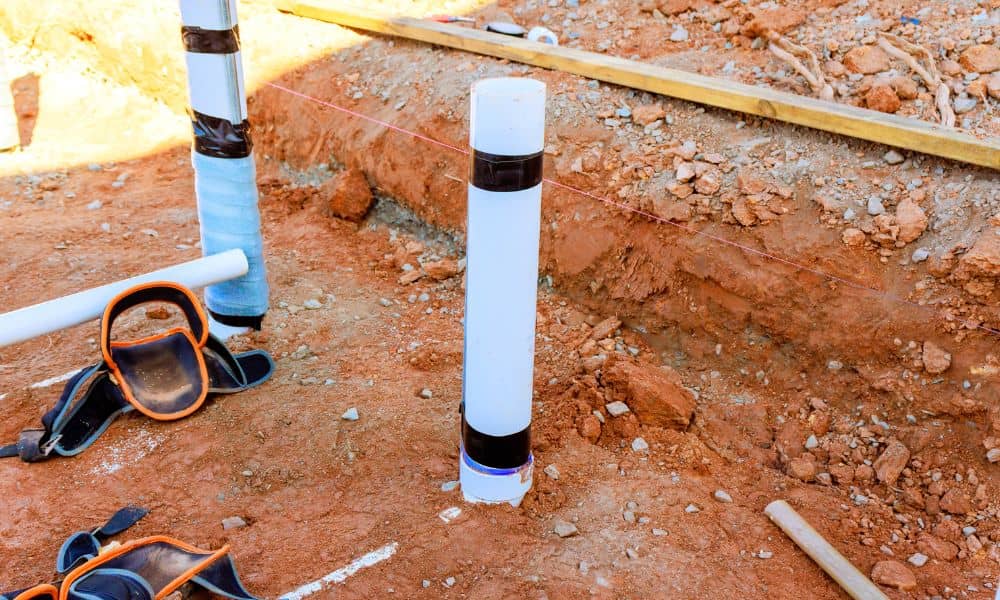
A construction staking survey takes approved building plans and marks them on your property. Instead of lines on a page, surveyors place stakes and markings in the ground. These show builders exactly where to build and how high or low parts of the project must be.
This process removes guessing. Builders do not estimate locations by eye. Inspectors do not rely on assumptions. Everyone works from the same clear layout. Because of this, projects move forward with fewer problems.
A construction staking survey does not replace a boundary or topographic survey. Instead, it uses those surveys as a base. It relies on correct property data and approved plans to guide construction.
Why Construction Staking Is Often Needed in Nashville
Nashville continues to grow, and many lots have limits. Some are small. Others have slopes or drainage concerns. Because of this, accuracy matters more than ever.
A construction staking survey often becomes required when work reaches a point where mistakes are costly. Once concrete is poured or grading is finished, changes become expensive. For that reason, staking is often needed before work can continue.
Before Footings and Foundations Are Built
One of the most common times a construction staking survey is required is before foundation work starts. At this stage, the building must sit in the exact location shown on the plans. Even small errors can place a structure too close to a property line or outside setback rules.
Because of this risk, builders often ask for staking before digging footings. Inspectors may also expect to see layout stakes before approving the next step. When staking happens early, everyone can confirm the location before permanent work begins.
When Permits and Inspections Need On-Site Proof
In Nashville, many permits include conditions tied to building placement. Plans may pass review, but inspectors still need proof that construction matches those plans on the site.
A construction staking survey provides that proof. Stakes show where walls, corners, and setbacks fall. Because of this, inspectors can confirm compliance without delay. When staking is missing, inspections may pause until the layout is clearly marked.
Projects Close to Property Lines or Setbacks
Smaller lots and infill projects are common. When buildings sit close to property lines, setbacks become critical. In these cases, a construction staking survey is often required to avoid problems.
Stakes clearly show where construction must stay. This helps prevent building onto a neighbor’s property. It also lowers the risk of disputes later, which helps protect property value.
When Elevation Control Is Part of the Build
Many properties are not flat. Slopes, drainage paths, and flood concerns affect how structures sit on the land. Because of this, elevation control often plays a major role.
A construction staking survey can include elevation marks for grading and foundation height. These marks help builders follow approved plans and manage water flow. Without them, builders may guess, which can lead to drainage issues or failed inspections.
Projects That Often Need Construction Staking
A construction staking survey is not just for large projects. Many common builds require it at some point. These often include:
- New homes
- Home additions
- Detached garages or accessory buildings
- Commercial buildings
- Subdivision roads and utilities
If a project needs precise placement, staking usually becomes part of the process.
Problems That Happen Without Construction Staking
Skipping a construction staking survey may seem like a way to save time or money. In reality, it often causes delays and extra costs. Layout mistakes usually appear late, when fixes are harder.
Common problems include foundations placed in the wrong spot, failed inspections, and work that must be redone. In some cases, parts of a structure may need removal to fix placement. These issues slow projects and increase stress.
Because of this, staking works best as a preventive step.
How Construction Staking Fits Into the Survey Process
A construction staking survey follows a clear order. First, a boundary or property survey confirms legal limits. Next, plans receive approval. Then, the construction staking survey marks those plans on the site. After that, building and inspections move forward.
When these steps stay in order, projects stay on schedule and face fewer surprises.
What to Prepare Before Ordering Construction Staking
Property owners can help the process by preparing early. Approved plans, permit details, and prior surveys support accurate staking. Clear timelines from the builder also help schedule the work.
With this information ready, staking can happen smoothly and without delay.
Why Local Nashville Experience Matters
Local experience matters in construction staking. Surveyors familiar with understanding local rules, inspection needs, and site conditions. This knowledge helps prevent mistakes and keeps projects moving.
Local surveyors also coordinate more easily with builders and inspectors. This saves time during key stages of construction.
Clear Layout Leads to Better Builds
A construction staking survey often becomes required when accuracy matters most. Whether you build a home, an addition, or a commercial project, staking ensures construction follows approved plans on the ground.
By planning for staking early, property owners avoid delays, reduce risk, and protect their investment. Clear layout leads to smoother builds and fewer problems.