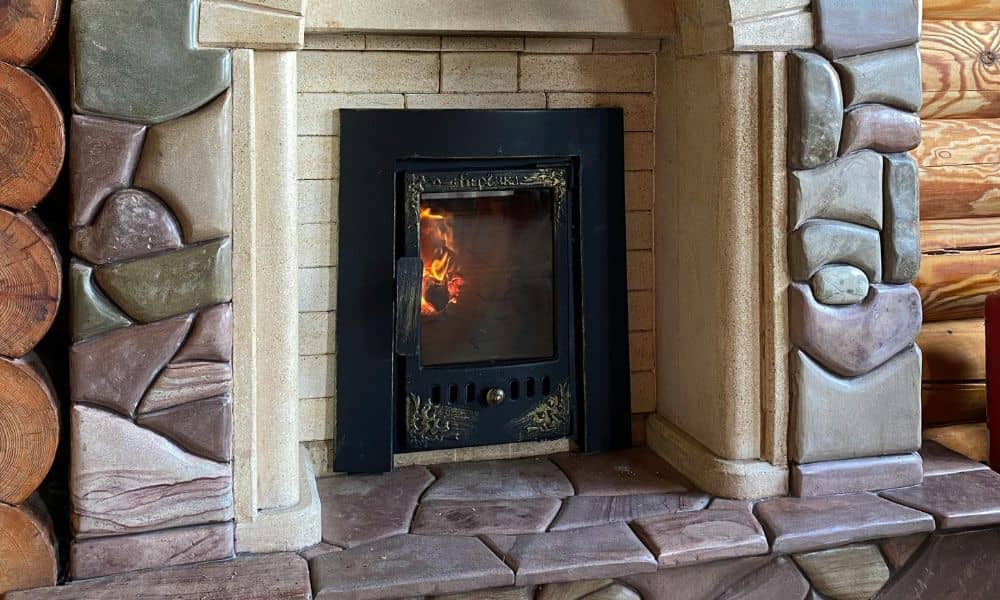
A stone fireplace adds warmth, style, and value to a home. Many homeowners choose it because it looks solid and long-lasting. However, looks alone do not guarantee good performance. What really makes a fireplace work well is airflow. When airflow moves the right way, your room feels comfortable and your air stays cleaner. When airflow fails, problems show up fast.
Recently, viral fire and smoke videos online reminded many people how quickly indoor air can change during a fire event. While those clips show extreme cases, they highlight an everyday truth: smoke and airflow matter more than most people think. The same basic airflow rules apply to every stone fireplace, even during normal use.
What Airflow Means in a Stone Fireplace
Airflow describes how air moves into, through, and out of your fireplace system. A working stone fireplace pulls fresh air in, feeds the fire, and pushes smoke and gases safely up the chimney. This movement is called draft.
A good draft creates three benefits. First, fires burn cleaner. Second, smoke goes up instead of into the room. Third, the space stays comfortable.
However, airflow depends on several parts working together. The firebox size, chimney height, flue width, damper position, and even the stone surround shape all affect movement. If one part falls out of balance, the system struggles.
As a result, even a beautiful stone fireplace can perform poorly if airflow design or maintenance gets ignored.
Why Comfort Depends on Fireplace Airflow
Most people connect fireplaces with warmth and comfort. Yet poor airflow often creates the opposite result.
For example, you may feel cold drafts when the fireplace sits off. You may also notice uneven room temperatures when it runs. That happens because a bad draft pulls heated indoor air out of the house. Then outside air sneaks in through gaps and cracks.
In addition, poor airflow can push smoke sideways instead of upward. Even a small amount of smoke changes how a room feels. The air becomes heavier and less fresh.
On the other hand, proper stone fireplace airflow supports stable room pressure and smooth heat spread. The fire burns steady, and the room stays balanced.
How Stone Fireplace Airflow Affects Indoor Air Quality
Indoor air quality depends on what stays in the air you breathe. Smoke particles, soot, and combustion gases should exit through the chimney. When airflow weakens, those pollutants drift back inside.
You might notice:
- A smoky smell after the fire goes out
- Light haze near the ceiling
- Eye or throat irritation
- Lingering odor in fabrics
Modern homes face this problem more often. Builders now seal houses tighter for energy savings. That helps heating and cooling costs. However, tighter homes also reduce natural air replacement. Therefore, fireplaces must draft correctly or air quality drops faster.
Moreover, open floor plans spread smoke and odor quickly. What starts near the stone fireplace can reach the entire living area within minutes.
Warning Signs Your Stone Fireplace Has Airflow Trouble
Fortunately, airflow problems leave clues. Homeowners just need to know what to watch for.
First, smoke enters the room when you start a fire. Second, the fire struggles to stay lit. Third, soot builds up around the opening. Fourth, strong odors remain long after use.
You may also hear whistling sounds or feel cold air movement near the hearth. Sometimes, the HVAC system behaves differently when the fireplace runs. That signal often points to pressure imbalance.
If you notice more than one of these signs, your stone fireplace likely needs inspection.
Common Causes Masonry Pros See
From an engineering and field view, most airflow failures come from a small group of causes.
Blocked flues rank first. Birds, leaves, and debris often restrict the vent path. Next, damaged or stuck dampers stop proper control. Chimney caps also create trouble when they clog or rust.
In addition, many issues appear after remodeling work. Homeowners refinish or reface a stone fireplace for style. Yet those changes sometimes alter opening depth or throat shape. Even small geometry changes affect draft strength.
DIY upgrades create problems too. New mantels, tight screens, or decorative covers sometimes block airflow paths.
Therefore, performance checks should follow any fireplace change.
Why Fireplace Changes Often Disrupt Draft
Design changes look harmless, but airflow follows physics, not appearance.
For example, adding thick stone veneer reduces firebox opening depth. That shifts the smoke shelf behavior. Painting interior surfaces changes heat reflection. Installing glass doors without adjustment reduces combustion air.
Window replacements and insulation upgrades also play a role. Homes that once leaked air now hold pressure differently. The fireplace draft then competes with kitchen fans, dryers, and bathroom vents.
As a result, a stone fireplace that worked fine for years can suddenly act up after unrelated home upgrades.
Simple Homeowner Airflow Checks
Before calling a pro, homeowners can run a few easy tests.
First, hold a small strip of tissue near the fireplace opening when the damper is open. The tissue should pull inward, not blow outward. Next, light a rolled newspaper and watch the smoke path. It should move straight up.
Also, check the damper visually with a flashlight. Make sure it opens fully. Look for heavy soot buildup or fallen debris.
However, stop using the fireplace if smoke enters the room repeatedly. Do not keep testing a failing system.
When to Call a Stone Fireplace Specialist
Professional help makes sense when airflow signs repeat or worsen.
Call a specialist after smoke problems, strange odors, or draft loss. Schedule an inspection after refacing or repair work. Book a check before heavy winter use. New homeowners should also request an evaluation.
A trained stone mason or fireplace technician reviews draft, flue condition, opening geometry, and vent path. They measure performance instead of guessing. Most fixes stay straightforward when caught early.
The Bottom Line
A stone fireplace should bring comfort, not hidden air problems. Good airflow keeps smoke moving out, heat working right, and indoor air cleaner. While style matters, performance matters more.
Recent fire and smoke incidents remind us how fast indoor air conditions can change. Fortunately, your home fireplace does not need drama to deserve attention. Regular checks and proper airflow design keep your system safe and comfortable.
If your stone fireplace smells smoky, feels drafty, or behaves differently, do not ignore it. Small airflow fixes today prevent bigger repair costs tomorrow. More importantly, they protect the air you and your family breathe every day.