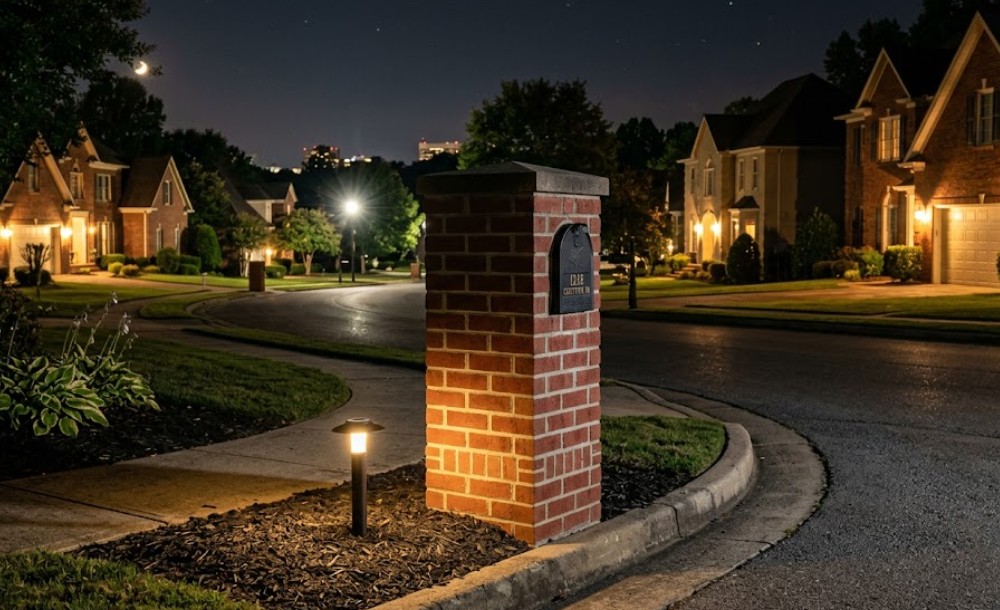
Birmingham is a city of hills. From the winding roads of Crestwood to the steep lots in Vestavia Hills, the topography here is beautiful, but it’s a constant test for your home. If you’ve lived here through a wet spring or a baking August, you’ve seen what that red clay can do.
In our region, masonry isn’t just a facade. It’s the primary defense against erosion and shifting earth. Whether you’re looking at your retaining walls or your front curb, the local environment determines how long your brickwork will actually last. Visit the website.
The Reality of Birmingham’s Red Clay
We all know the iron-rich red clay that defines Central Alabama. While it makes for a scenic landscape, it is incredibly reactive soil. It acts like a giant sponge. When the rain pours down, the clay expands with massive pressure. When we hit a dry spell, it shrinks and leaves gaps around your structures.
This constant movement is the enemy of rigid materials. If a mason doesn’t account for this “heave and shrink” cycle, you’ll start to see cracks in your mortar within a few seasons.
Why Footing Depth Matters
In Birmingham, we can’t just pour a thin pad of concrete and start laying brick. We have to dig deeper to find stable ground. If the footing—the underground base—isn’t deep enough to get past the most active layer of clay, your masonry will move with the earth. That’s how you end up with leaning walls and “stair-step” cracks.
Curb Appeal and the Masonry Mailbox
One of the most frequent victims of shifting soil is the masonry mailbox. Because these structures sit right at the street, they deal with unique pressures. They aren’t just fighting the clay; they’re fighting the vibration of passing traffic and the runoff from the road.
If you’ve noticed yours is starting to tilt toward the neighbor’s yard, you aren’t alone. It’s a common sight in neighborhoods like Hoover and Mountain Brook.
- Stability: A properly built masonry mailbox needs a reinforced concrete foundation that extends beyond the footprint of the brick itself.
- Safety: These are heavy structures. A leaning mailbox isn’t just an eyesore; it’s a thousand-pound hazard if it loses its balance.
- HOA Guidelines: Many Birmingham-area homeowners associations have strict rules about the design and material of your mailbox to ensure it matches the home’s architecture.
Weathering the Alabama Humidity
Our climate is famously humid. For masonry, that means moisture is always trying to find its way behind the brick. This is where “weep holes” come into play.
If you look at the bottom row of bricks on a well-built home, you’ll see small vertical gaps. Those are intentional. They allow the wall to breathe and let trapped moisture escape. In the Birmingham heat, if water gets trapped behind your brick without a way out, it can lead to mold issues or cause the mortar to soften over time.
The Problem with Painting Brick
It’s a popular trend right now, but painting brick in a high-humidity environment comes with risks. Brick is naturally porous. It needs to breathe. If you use a non-breathable paint, you trap moisture inside the brick. When the temperature drops in the winter, that moisture freezes and can cause the face of the brick to literally pop off.
Knowing When to Call an Expert
You don’t need a degree in engineering to spot trouble. Keep an eye out for these red flags on your property:
- Horizontal Cracks: These are often more serious than vertical ones and can suggest that a wall is bowing under the pressure of the soil.
- Efflorescence: That white, powdery film you see on bricks? It’s salt. It means water is moving through the brick and bringing minerals to the surface.
- Separation: If you see a gap between your chimney and the rest of the house, the ground underneath is likely settling.
Quality Over Convenience
In a city growing as fast as ours, there are plenty of people who will offer a quick fix for a cracked wall or a leaning mailbox. But masonry is one of the few things on your property that should outlast your mortgage.
True craftsmanship means taking the time to match the mortar color so a repair doesn’t look like a patch. It means ensuring every stone is set to shed water away from the house, not toward it. We focus on the things you can’t see—the steel reinforcement and the drainage—so the things you can see stay beautiful.
A Commitment to the Community
We’ve spent years working on the hills of this city, and we know exactly what the local soil can do. If you have a concern about a wall on your property or you’re ready to upgrade your home’s curb appeal, we’re here to help. We believe in providing honest advice and building structures that stand as long as the hills they sit on.