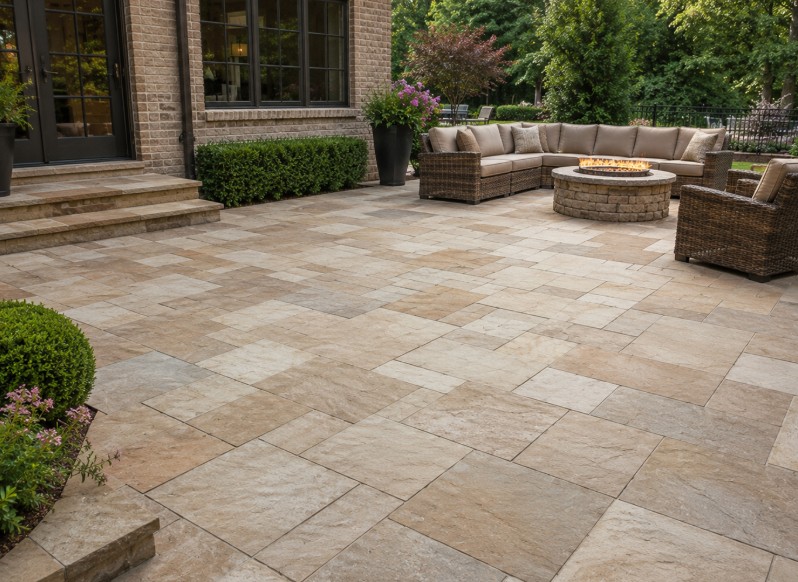
Outdoor living has evolved past simple concrete patios and basic wood decks. Today, homeowners and property managers want to extend their interior living space right into the backyard, creating functional, beautiful environments that last for decades.
When planning high-end walkways, pool surrounds, or custom patios, material choice makes all the difference. While concrete blends and synthetic materials are common, nothing matches the prestige, natural beauty, and structural resilience of premium stone pavers.
Investing in natural stone means choosing a material that grows more beautiful with age and withstands local environmental pressures with ease.
How Natural Stone Handles Local Soil and Weather
Every region presents unique subterranean and atmospheric challenges to hardscaping. Our area is known for two things that can easily destroy low-quality installations: heavy clay soil and intense weather shifts.
Taming the Local Clay Soil
The ground beneath us is packed with dense clay that behaves unpredictably. When seasonal rains saturate the earth, clay expands with incredible force. When the hot summer sun bakes the ground, it shrinks and cracks. This constant movement acts as a wrecking ball for rigid, solid structures like poured concrete slabs, causing them to fracture, split, and heave.
Natural stone pavers completely bypass this issue. Because a stone patio or walkway is built from independent, interlocking units, the surface remains flexible. The entire installation moves in harmony with the shifting clay underneath, absorbing the pressure without cracking a single piece.
Surviving Extreme Weather Cycles
Our climate tests the limits of outdoor building materials. We experience blistering summer humidity, freezing winter nights, and sudden torrential downpours.
- Freeze-Thaw Resistance: Poured concrete or cheap concrete pavers absorb water easily. When that trapped water freezes in January, it expands, causing the surface to spall, flake, and crumble. High-density natural stones like flagstone, slate, and granite have incredibly low absorption rates, meaning frost cannot penetrate or destroy them.
- Thermal Regulation: Darker synthetic materials or dark concrete can become scalding hot during July and August. Lighter-toned natural stones, particularly travertine or light sandstone, stay remarkably cool underfoot, making them perfect for bare feet around pools and patios.
- Color Longevity: Manufactured pavers rely on chemical dyes that eventually fade, bleach, and look washed out after years of intense UV exposure. Natural stone features colors forged by nature over millions of years; its rich earthy hues will never fade or change.
Selecting the Right Stone for Your Property
Not all stones are created equal. Different types of natural stone offer distinct advantages depending on where and how they are installed around your property.
Travertine Pavers
Incredibly popular for pool decks and high-traffic patios, travertine features a naturally porous surface that provides excellent slip resistance, even when wet. It remains incredibly cool under the baking sun and offers an elegant, old-world luxury aesthetic that complements Mediterranean or traditional estate-style architecture perfectly.
Flagstone and Sandstone
Known for its rich, earthy layers of tan, brown, and rust, flagstone is exceptionally durable and highly resistant to moisture. Its natural split-face texture provides a rustic, organic look that blends beautifully with woodland landscapes, classic mid-century ranches, and traditional Southern homes.
Granite and Slate Pavers
If your design leans toward contemporary or modern architecture, the sharp, clean lines of slate or granite are unmatched. Granite is one of the hardest stones available, making it virtually indestructible and completely immune to heavy weight, oil stains, and scratching from heavy iron patio furniture.
True Craftsmanship Happens Underground
A stunning stone layout is entirely dependent on the quality of the foundation buried beneath it. You can purchase the most expensive stone in the world, but if the site preparation is flawed, the patio will sag, shift, and fail within a few seasons.
First, the soil must be excavated to a precise depth that accounts for the thickness of the stone, a smooth bedding layer, and a dense aggregate base. The excavation must also establish a precise slope—typically an eighth of an inch drop per foot—to guide heavy rainwater away from your home’s foundation.
Next, a thick layer of crushed stone aggregate is laid down and compacted using heavy mechanical compactors. This crushed stone base creates a solid, stable foundation while allowing groundwater to drain freely underneath the patio.
Once the stone pavers are carefully laid into place by hand, the joints are filled. Rather than using loose dirt that invites weeds, professionals use polymeric sand or specific jointing aggregates. This binds the stones together securely while maintaining the micro-flexibility required to handle ground movement.
Low-Stress Maintenance and Long-Term Value
Wood decking demands constant staining, sealing, and rotting-plank replacements. Poured concrete requires periodic crack injections and resealing to maintain its appearance. Natural stone demands very little from a property owner.
Keeping a stone surface pristine usually requires nothing more than a stiff broom to clear away leaves and a simple rinse with a garden hose to remove dirt. If a heavy spill occurs, soapy water and a scrub brush easily lift the stain without damaging the stone’s integrity. For more tips on maintaining masonry features across different seasons, explore our guide on extending the life of residential masonry.
Furthermore, should an underground utility pipe burst beneath your patio years down the road, you do not have to break out a jackhammer. A professional mason can carefully lift the individual stone pavers, allow the repair work to happen, level the stone base, and reinstall the exact same stones seamlessly.
Elevating Curb Appeal and Property Worth
Natural stone hardscaping carries a premium reputation that directly impacts a property’s market value. Future buyers instantly recognize the difference between synthetic concrete block alternatives and authentic natural stone. It signals a dedication to quality and permanent craftsmanship that sets a home apart from surrounding listings.
Integrating stone walkways or a sprawling backyard patio creates an immediate connection between your home’s architecture and the natural landscape. Whether you are aiming to match a historic brick property or add texture to a clean, modern build, natural stone provides the organic weight and permanence needed to tie the entire design together. You can learn more about finding the perfect design balance by reviewing our insights on matching natural stone textures to architectural styles.
Building a custom outdoor living area should be an investment that rewards you every day you live in your home and protects your equity when it is time to sell. By focusing on premium materials and uncompromising installation standards, you create a backyard retreat that will stand strong for generations to come.
If you are beginning to plan your next outdoor transformation or have questions about which stone is best suited for your specific property, we are always here to share our knowledge, look at your site, and help you build a space designed to last.