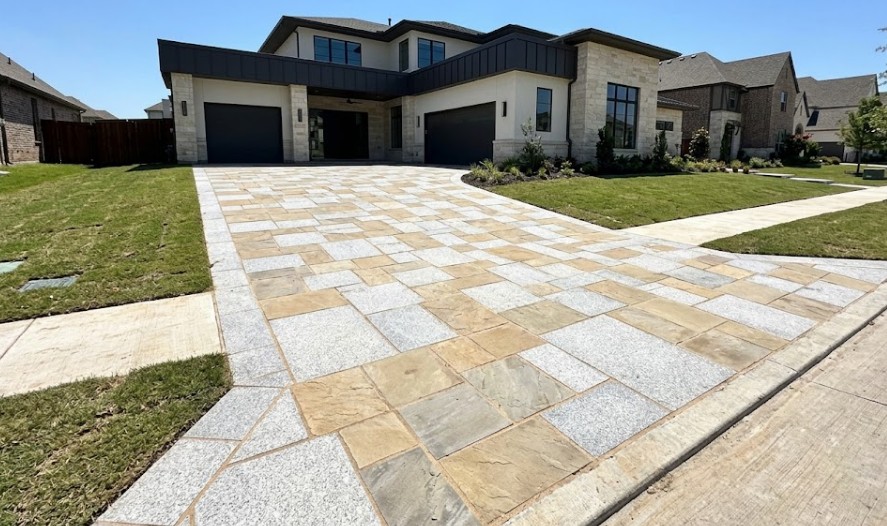
Walk around almost any neighborhood in Frisco and you will notice a common sight. Driveways have long, jagged lines running through the middle. Patios look like a jigsaw puzzle that someone dropped. When houses sit on the heavy clay common throughout North Texas, poured concrete struggles to survive. Visit the website.
A standard concrete slab is stiff. It cannot bend when the earth beneath it starts to heave. If you want a driveway or patio that stays smooth for years, stone pavers offer a smart alternative. They create a surface that adapts to the shifting ground instead of snapping under pressure.
The Daily Battle with Expanding Soil
The dirt in North Texas behaves like a giant sponge. During wet spring weeks, the clay absorbs water and swells with incredible force. It pushes upward against anything sitting on top of it. When summer arrives with triple-digit heat, the moisture vanishes. The ground shrinks and pulls away, leaving wide gaps in the yard.
Concrete cannot handle this movement. The ground rises in one corner and drops in another, causing the solid slab to break. Once a crack forms, water seeps into the opening and makes the underground shifting even worse.
Stone pavers handle this constant cycle naturally. Because a paver surface consists of individual blocks packed tightly together, the joints act as tiny release valves. When the soil moves, the blocks shift slightly on their own. The entire surface flexes without cracking or losing its shape.
Withstanding Intense Sun and Freeze Cycles
The local climate tests every outdoor material you choose. Summer sun beats down on backyards for months, baking surfaces to extreme temperatures. Cheap materials like wood or low-grade plastics warp, fade, and splinter. Even poured concrete can scale and flake under the direct glare.
Natural stone pavers resist heat damage. They do not fade or lose their strength after years of sun exposure. They also perform better during the sudden deep freezes that strike the area in winter.
When water gets trapped inside standard concrete and freezes, it expands and breaks the surface apart. High-quality stone pavers absorb very little water. This low absorption rate prevents internal frost damage, saving you from spending your weekends applying chemical patches or replacing broken sections.
Meeting HOA Rules and City Codes
Building a new outdoor feature requires checking local regulations before you buy any materials. Frisco has strict guidelines regarding property modifications, especially in master-planned communities.
Architectural Review Committees
If you live in developments like Fields, Miramonte, or The Canals at Grand Park, you must get approval from an architectural review committee. These boards enforce specific design standards to protect property values. They examine everything from the color of your materials to the size of the project.
Getting approval for stone pavers is usually straightforward. The classic look of natural stone or high-grade concrete pavers matches the high-end brick and stone exteriors common in local architecture. The boards appreciate materials that improve the overall look of the neighborhood.
City Drainage Regulations
The City of Frisco strictly monitors how water moves across residential lots. When you install a new hard surface, you cannot alter the yard in a way that floods your neighbor’s property. Water must flow toward designated easements or the street.
A proper paver system helps manage this water runoff. Installers slope the surface away from your home foundation at a precise angle. For every eight feet of length, the surface should drop about one inch. This slope guides heavy rainwater safely off the pavers without creating mud pits in the surrounding grass.
Selecting the Right Stone Pavers for Your Property
The type of paver you select determines both the visual style and the durability of your project. Different options serve different needs across your yard.
| Paver Type | Best Used For | Key Benefit |
| Natural Travertine | Pool decks and backyard patios | Stays cool in summer heat |
| Basalt & Granite | Driveways and outdoor kitchens | Handles heavy vehicle weight |
Natural Travertine Pavers
Travertine is a premium choice for pool decks and patios. It features cool shades of ivory, walnut, and silver that look elegant in the bright Texas sun. The biggest benefit of travertine is its ability to stay cool underfoot, even during July heatwaves. Its textured surface also reduces slips around swimming pools.
Basalt and Granite Pavers
If you need a surface for a driveway or a heavy outdoor kitchen, granite or basalt pavers offer maximum strength. These dark, dense stones handle the weight of heavy vehicles without shifting or staining from automotive fluids. They provide a clean, modern aesthetic that fits contemporary home designs.
The Underground Work That Prevents Shifting
A beautiful surface depends entirely on what lies hidden beneath the pavers. If you skip the ground preparation, the blocks will quickly become uneven. Professional installers use a specific sequence to build a stable foundation.
- Excavators dig down several inches into the clay to remove all organic matter and loose soil.
- A layer of thick geotextile fabric covers the bare dirt to keep the clay from mixing with the gravel base.
- Crushed limestone base material is poured into the area and packed down with heavy vibrating compactors.
- A thin, even layer of bedding sand is spread over the packed gravel to create a flat workspace.
Compacting the limestone base is the most critical part of the job. The machine packs the stone so tightly that it creates a solid underground pad. This base protects the surface from the shifting clay below and allows water to filter through instead of pooling under the pavers.
Maintaining Your New Hardscape
Keeping your stone pavers looking new requires minimal effort if you use the right materials from the start. The main task involves protecting the joints between the blocks.
Instead of regular sand, installers fill the gaps with polymeric sand. This material contains special binders that activate when wet, hardening into a flexible mortar. It locks the pavers together, stops weeds from sprouting in the cracks, and prevents ants from digging out the base material. You may need to sweep a fresh layer of sand into the joints every few years to keep the seal tight.
You should also keep heavy lawn equipment away from the edges. Edging restraints made of steel or heavy plastic keep the perimeter pavers from sliding outward over time. A border of mulch between the pavers and the lawn prevents weed trimmers from chipping the stone.
A Long-Term Upgrade for Your Property
Investing in stone pavers changes how you use your outdoor space. It provides a reliable surface for entertaining, parking, or relaxing. While the initial ground preparation requires careful planning and labor, the result is a permanent asset. A paver surface outlasts basic concrete slabs and avoids the constant maintenance of wood structures.
If you want to look at material samples or plan a layout for your yard, we can inspect your property. We will design a plan that meets city guidelines and complements your home perfectly.