Most homeowners spot brick problems when something looks wrong. A crack shows up. Mortar starts to crumble. A mailbox leans just a little. At first, it feels cosmetic. However, a professional brickmason reads bricks like a story. They look for patterns, timing, and cause. As a result, they catch issues early—often before repairs turn expensive.
Small Mortar Changes That Point to Bigger Trouble
Mortar does not fail at random. When it wears evenly across a wall, age likely plays a role. But when mortar breaks down faster in certain spots, a brickmason pays attention.
For example, mortar that crumbles near the ground often points to moisture wicking up from soil. Likewise, joints that stay damp after rain can signal trapped water. Homeowners may plan a quick patch. Meanwhile, a brickmason looks for the water source first. Otherwise, fresh mortar will fail again.
In short, mortar tells you why the wall struggles, not just where.
Crack Patterns That Reveal Movement
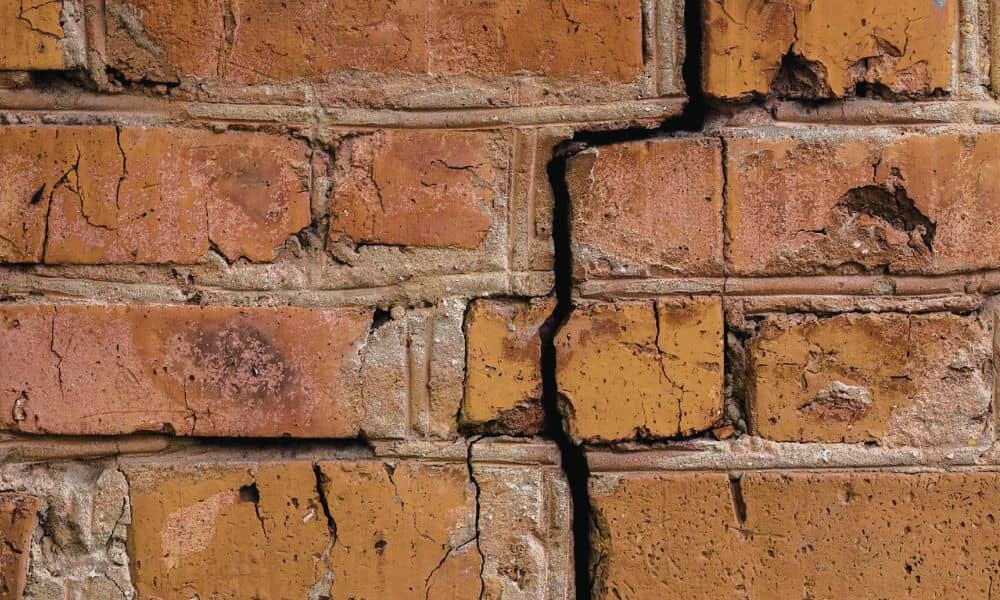
Cracks scare homeowners, yet not all cracks mean the same thing. Thin, random cracks can happen as materials expand and contract. Still, step-like cracks that follow mortar joints raise a flag.
A brickmason studies the direction and spacing of cracks. If cracks widen over time or return after repair, movement likely continues below the surface. Because of that, filling the crack alone will not solve the problem.
Instead, the pattern shows whether the issue comes from settling soil, shifting loads, or repeated stress. Once you know the cause, the fix lasts.
Subtle Shifts You Stop Noticing
Brick moves slowly. That makes it easy to miss. A mailbox that leans a hair more each year feels normal. A low wall that bows just a bit blends into the yard. Over time, your eyes adjust.
However, a brickmason compares lines and edges right away. They notice when brick pulls away from corners or when patio edges drift. These signs often point to base problems or poor drainage. Therefore, repairing the brick alone won’t help unless the ground below stays stable.
Catching this early saves you from rebuilding later.
Stains That Show Where Water Travels
Discoloration often tells a clear story. White powder on brick, called efflorescence, means water moves through the wall and leaves salts behind. Dark patches that linger after rain show moisture trapped inside.
Homeowners sometimes seal the brick to “lock it out.” Unfortunately, sealing can trap water and speed up damage. A brickmason tracks where water enters and how it escapes. Then they fix the path, not just the stain.
As a result, the wall dries the way it should.
Fireplace and Hearth Changes From Heat Stress
Fireplaces see intense heat, then cool down again and again. Because of that, brick and mortar expand and contract. Small cracks near the firebox or along the hearth edge often follow.
Homeowners may think these cracks look harmless. Yet a brickmason checks whether gaps grow, repeat, or spread. They also watch for separation where brick meets other materials. These changes can affect safety if ignored.
Addressing heat stress early keeps small fixes small.
Past Repairs That Failed for a Reason
Many homeowners feel frustrated when repairs do not last. The work looked fine. Still, the problem returned.
A brickmason often finds that earlier repairs fixed the surface, not the cause. Maybe the wrong mortar type went in. Maybe moisture issues stayed active. Or maybe movement continued below.
Good repairs start with diagnosis. When you solve the root problem, the fix holds. Otherwise, you pay twice.
Edges and Transitions Where Problems Begin
Brick rarely fails in the middle of a wall first. Instead, issues start at edges—corners, steps, openings, and where brick meets wood or concrete.
A brickmason checks these transitions closely. They look for gaps, stress points, and signs of separation. Since different materials move at different rates, these spots feel the most strain.
By addressing transitions early, you protect the entire structure.
Timing That Changes the Diagnosis
When did the problem appear? Did it worsen after heavy rain? Did it show up after a remodel? Timing matters.
Homeowners often focus on what they see now. A brickmason asks what changed before. For instance, new landscaping can redirect water. Added weight can stress walls. Even blocked drainage can trigger issues months later.
Understanding timing helps pinpoint cause and choose the right fix.
Repeated “Minor” Issues That Add Up
One crack might not worry you. One small stain might feel normal. Yet when small issues repeat in the same area, a pattern forms.
A brickmason looks for repetition. They ask why the same spot keeps failing. Often, that pattern leads straight to moisture, movement, or heat stress. Fixing the pattern stops the cycle.
Why This Perspective Saves Money
Brick lasts for decades when it stays dry, supported, and free to move as designed. Problems grow when moisture traps, bases shift, or stress builds.
A professional brickmason notices early signals that homeowners overlook. Because of that, they recommend targeted repairs instead of broad rebuilds. Early action costs less and protects value.
Final Thoughts
Brick problems rarely start big. They start quiet. A crack here. A stain there. Over time, those signs speak louder.
A skilled brickmason listens early. They read patterns, not just surfaces. If you notice changes in your brickwork, paying attention now can prevent bigger repairs later. In the end, brick rewards care, timing, and informed action.