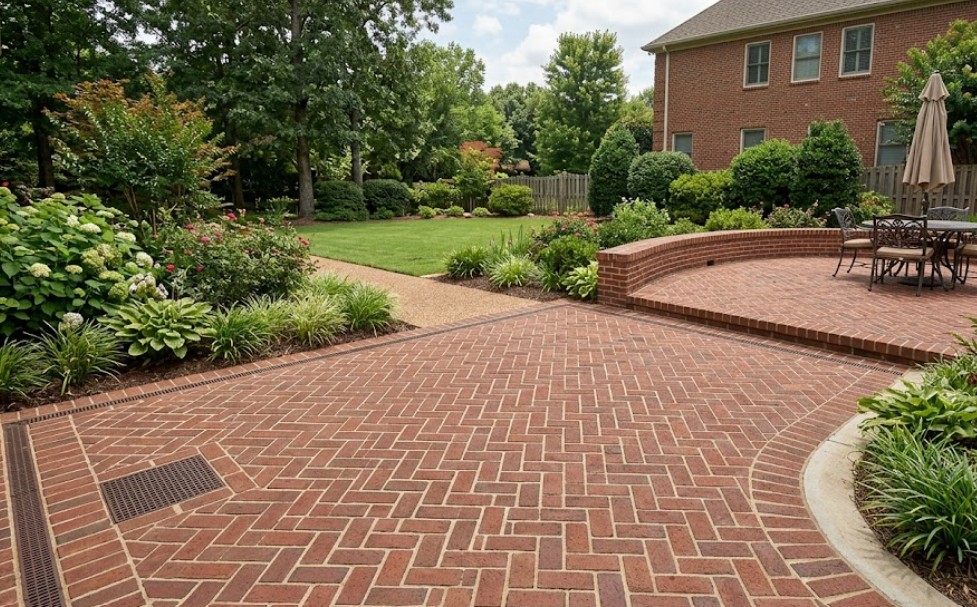
If you’ve spent a summer afternoon in North Alabama, you know that our backyards are more than just patches of grass. They are extensions of our homes. In Madison, where new developments sit alongside established neighborhoods, homeowners are increasingly looking for ways to make their outdoor spaces more functional.
A brick patio is a classic choice for this transition. It offers a texture and warmth that poured concrete simply can’t match. However, building one that survives the local climate requires more than just laying down some pavers. It requires an understanding of the ground beneath your feet with Madison Brick & Stone.
The Challenge of Madison’s Red Clay
Our local soil is notorious. The heavy red clay found throughout the Tennessee Valley is expansive. When it rains—which it does frequently and heavily here—that clay absorbs water and swells. When things dry out in the heat of August, the ground shrinks.
This constant movement is the primary reason why many DIY projects fail within a few years. If your patio isn’t built with a flexible base, the shifting clay will cause the bricks to heave, dip, and create trip hazards. A professional brick mason doesn’t just look at the surface; they plan for the movement happening underneath.
Why Drainage is Your Best Friend
- Water runoff: Madison’s sudden thunderstorms can dump inches of rain in minutes.
- Pitch and Slope: A patio must be expertly sloped (usually 1 inch for every 4 to 8 feet) to move water away from your foundation.
- Base Materials: Using a proper “screed” layer of sand over a compacted gravel base allows moisture to move without destabilizing the brick.
Choosing the Right Aesthetic for Your Neighborhood
Madison has a distinct architectural feel. From the craftsman-style homes in Clift Farm to the more traditional brick estates in Heritage Plantation, your hardscaping should feel like it was always meant to be there.
Clay Bricks vs. Concrete Pavers
Traditional clay bricks offer a timeless look that matures with age. They are color-fast because the color is baked into the material. Concrete pavers, on the other hand, offer a massive variety of shapes and sizes that can mimic natural stone.
A skilled brick mason can help you navigate these choices based on your home’s existing masonry. Matching the mortar or the specific “burn” of your home’s brick ensures the new patio feels like an organic extension of the house, not a late-addition patch.
Navigating HOA and Local Guidelines
Before you start any major masonry project in Madison, you have to consider the rules. Many local Homeowners Associations have strict “Architectural Review Committees” that must approve materials and designs.
Furthermore, local building codes often dictate how close a structure can be to property lines or easements. Starting a project without checking these boxes can lead to expensive fines or, worse, being forced to tear out the work you just paid for. It’s always better to handle the paperwork upfront.
The Importance of Professional Craftsmanship
It is easy to find someone with a truck and a shovel who claims they can lay a patio. However, masonry is an investment in your property’s value. Poorly laid bricks will trap water against your home, leading to damp crawlspaces or damaged siding.
What a Professional Brings to the Table:
- Precision Leveling: Ensuring a perfectly flat surface that still manages water flow.
- Structural Edging: Using hidden restraints to keep the bricks from “creeping” outward over time.
- Material Sourcing: Accessing high-quality, local materials that are rated for the freeze-thaw cycles we see in North Alabama.
Making a Choice for the Long Term
At the end of the day, good writing and good masonry share a common goal: clarity and durability. You want a space that looks as good in ten years as it does on the day it’s finished. This only happens when you prioritize the fundamentals over the cheapest possible price.
If you are noticing erosion in your yard or simply have an area of grass that refuses to grow, it might be time to rethink your landscape. A well-built outdoor space doesn’t just add beauty; it adds a room to your home where memories are made.